Learning to see again
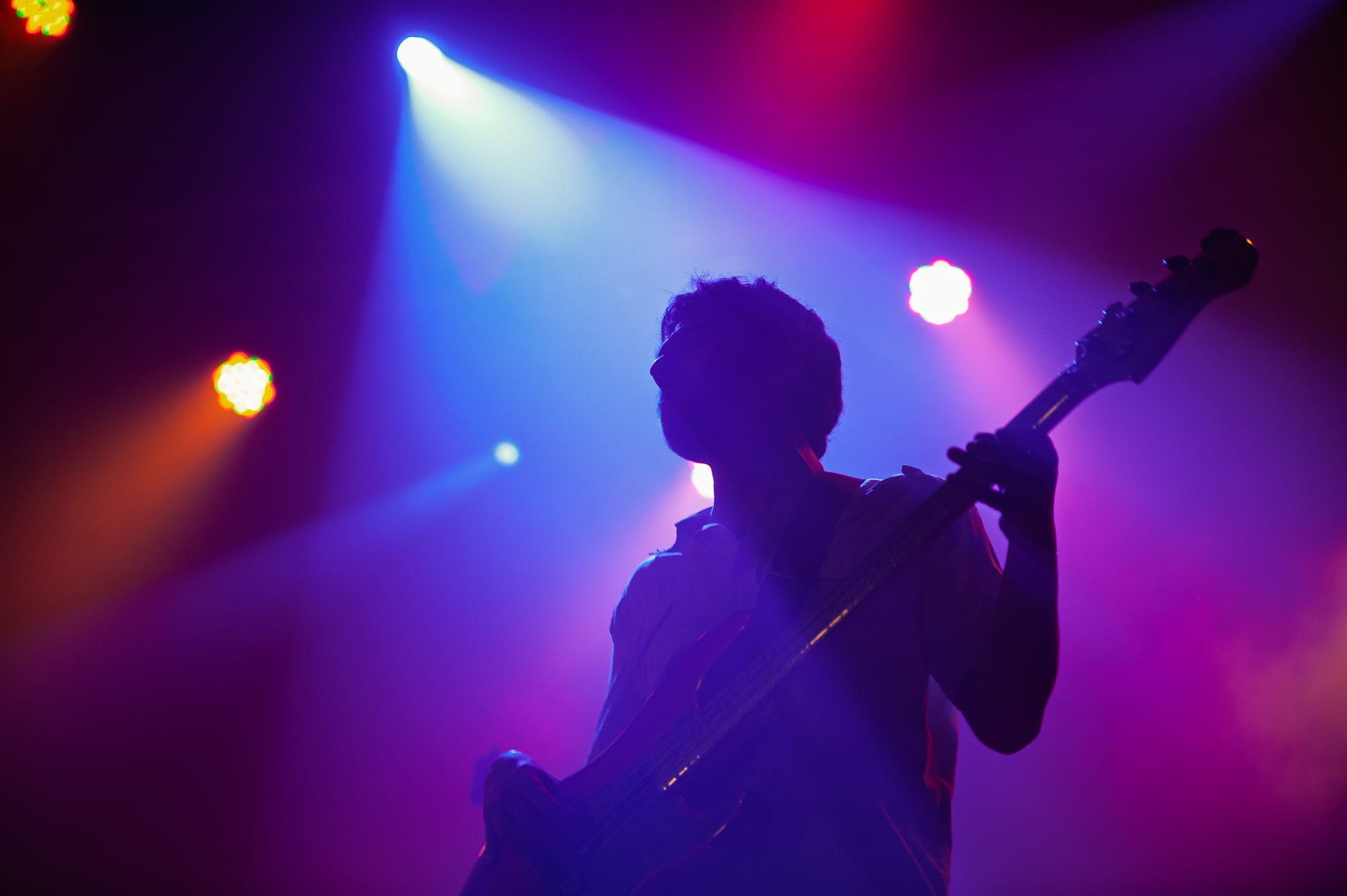
I'm still waiting for the photograph to appear.
Learning to see again.
Photographing a stage is complex because it's not just about being prepared for the moment of the show; it's about anticipating it and thinking about the post-show phase, that is, the editing. Photographing concerts and shows is fun – most of the time – but the post-show phase took me longer; I always enjoyed processing images, but I had some difficulty editing them. Most of the time I couldn't look at the material right away; I needed some time…
When I was in photography school [2007-2009], we had classes with analog and digital cameras, as well as black and white and color lab courses. I also worked at the college in the lab for the professors, developing films for the students, and assisting with the enlarging process, in addition to working in the studio.
But I think that within me there was a time between the act of photographing and seeing the image; a longer process; Entering the darkroom with the film still in the camera, using the dark bag, loading the film onto the spool, placing the spool in the sealed tank, adding chemicals, stirring, letting it rest, stirring, letting it rest, removing chemicals, adding more and repeating the process (there are 3 chemicals) and then washing, hanging, waiting for hours to dry, to then see a miniature negative of what you photographed. Then cutting the film, making the contact sheet, choosing the image to enlarge, making some test strips, to then enlarge the image, then developing the image in 3 more chemicals, in the process of stirring and changing, and only then do we see how the image turned out, and from there we begin to treat the image in the light or dark parts with exposure time and also with the time in the chemicals…
Viewing the image takes time.
It's completely different from arriving home after a show, with tired eyes from the excessive light, and still having to download, archive, upload to the catalog, only to see that everything is in RAW, meaning the editor is completely wiped, and for me that's a difficulty in making a selection. Because even after doing a general equalization, the volume of material is large, sometimes you imagined that the images were different from what I thought I had seen. This caused conflict when choosing the images, as if I were transferring all my emotions to the experience of the moment and searching for the image that's already in my head.
When it came to deciding what to choose, I included a lot of things—not because the photo was already well-chosen, but because I was torn between a few; later I started keeping 10 images, and as I organized my collection, I think we ended up seeing the material in a different way, and that it would be interesting to revisit, re-edit, publish unpublished photos, and it's a living portfolio that changes.
So in 2026, I published previously unpublished photos in the series On Stage: Midnight Show, China, Afrobombas, Som na Rural, Felipe Ret, Nouvelle Vague. In addition to the Digital Art in Homage to the Masters 3 series, which was redone improving some techniques.
I believe that art is always an unfinished work; there's always something we want to change over time, and perhaps that's the beauty of it—the mutability of impermanence.
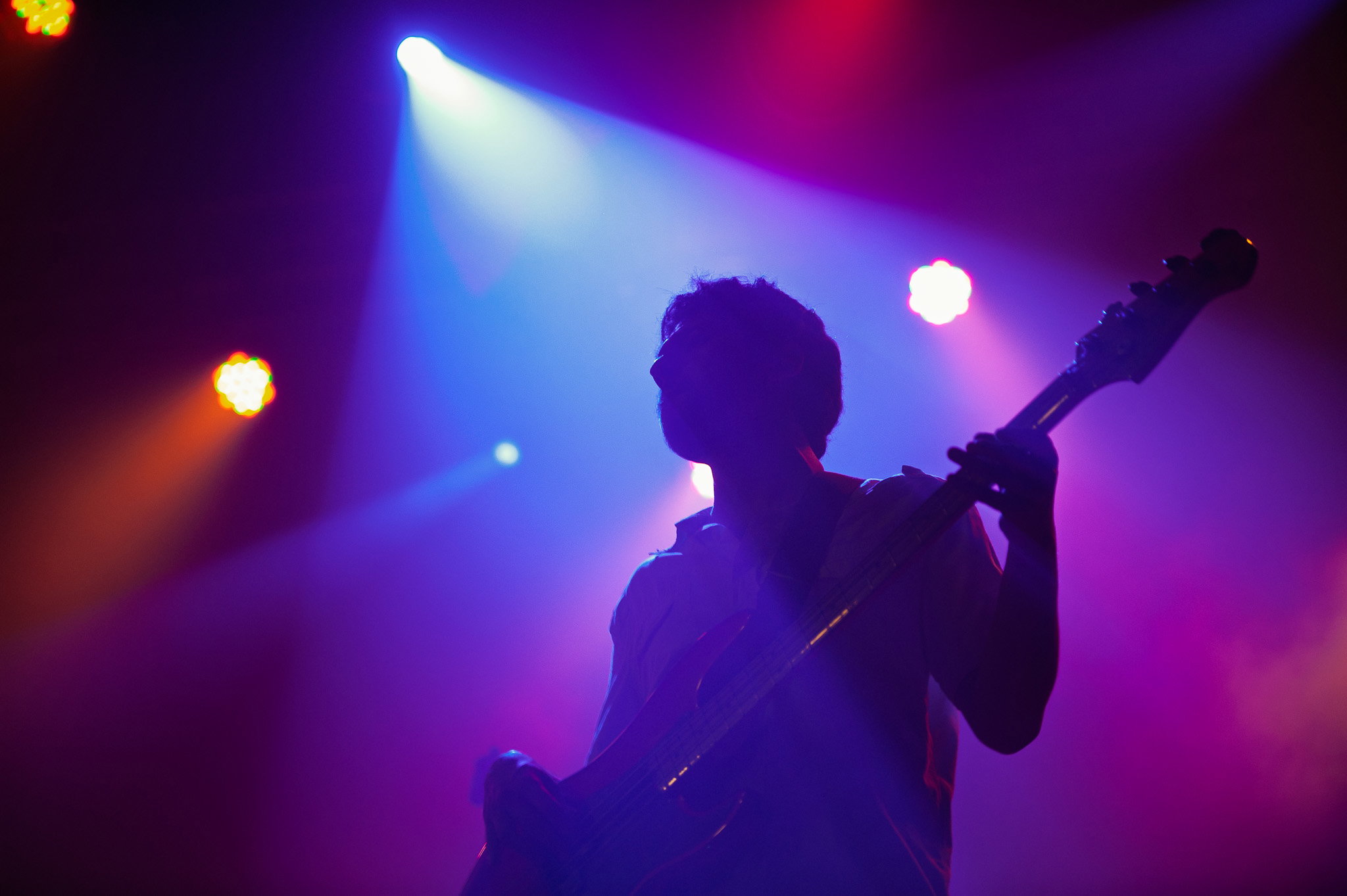
Afrobombs
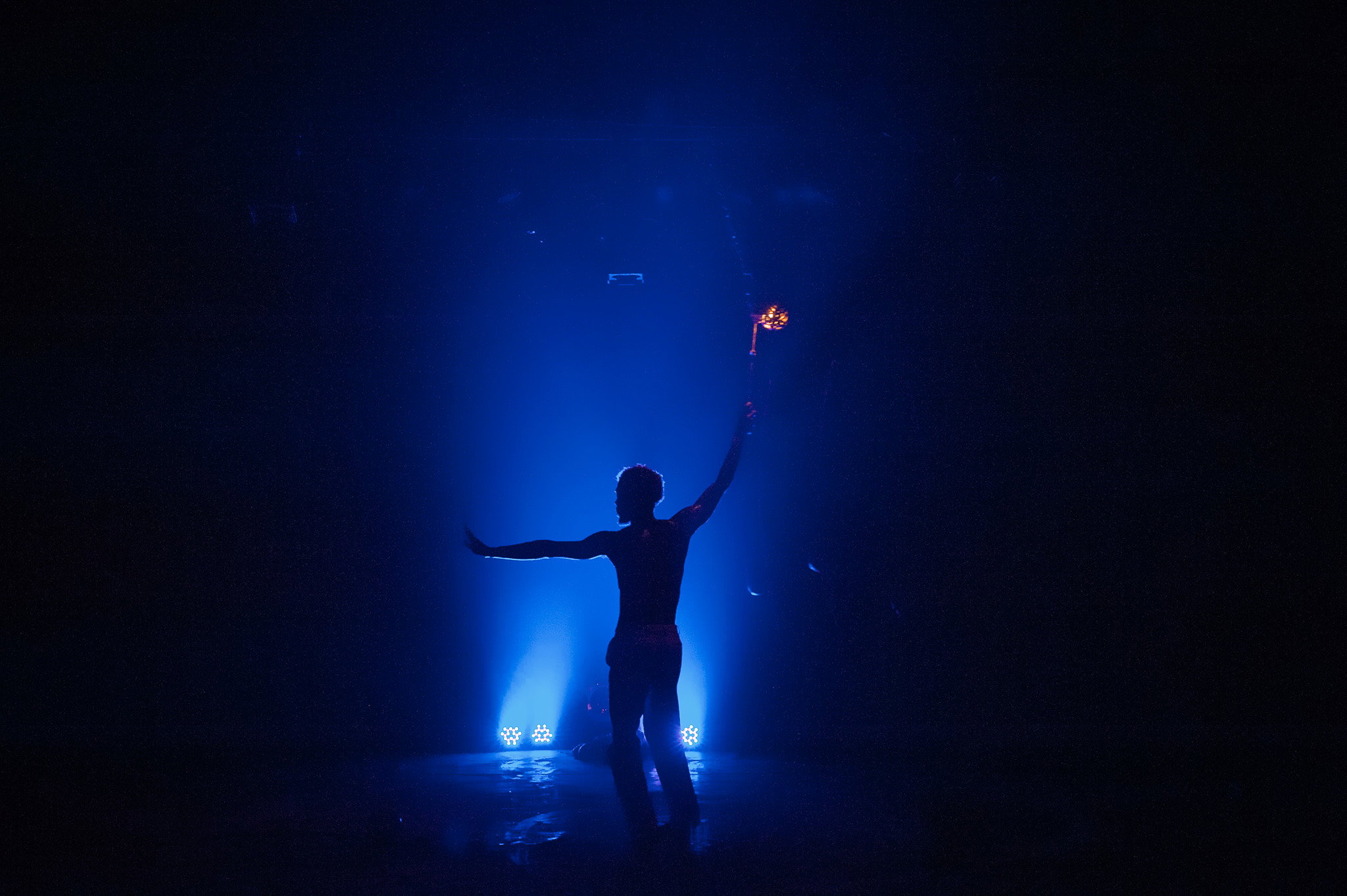
Midnight Show