ALVORADA
Nazaré da Mata, Pernambuco; Brazil. 2015














Sobre a série:
Alvorada
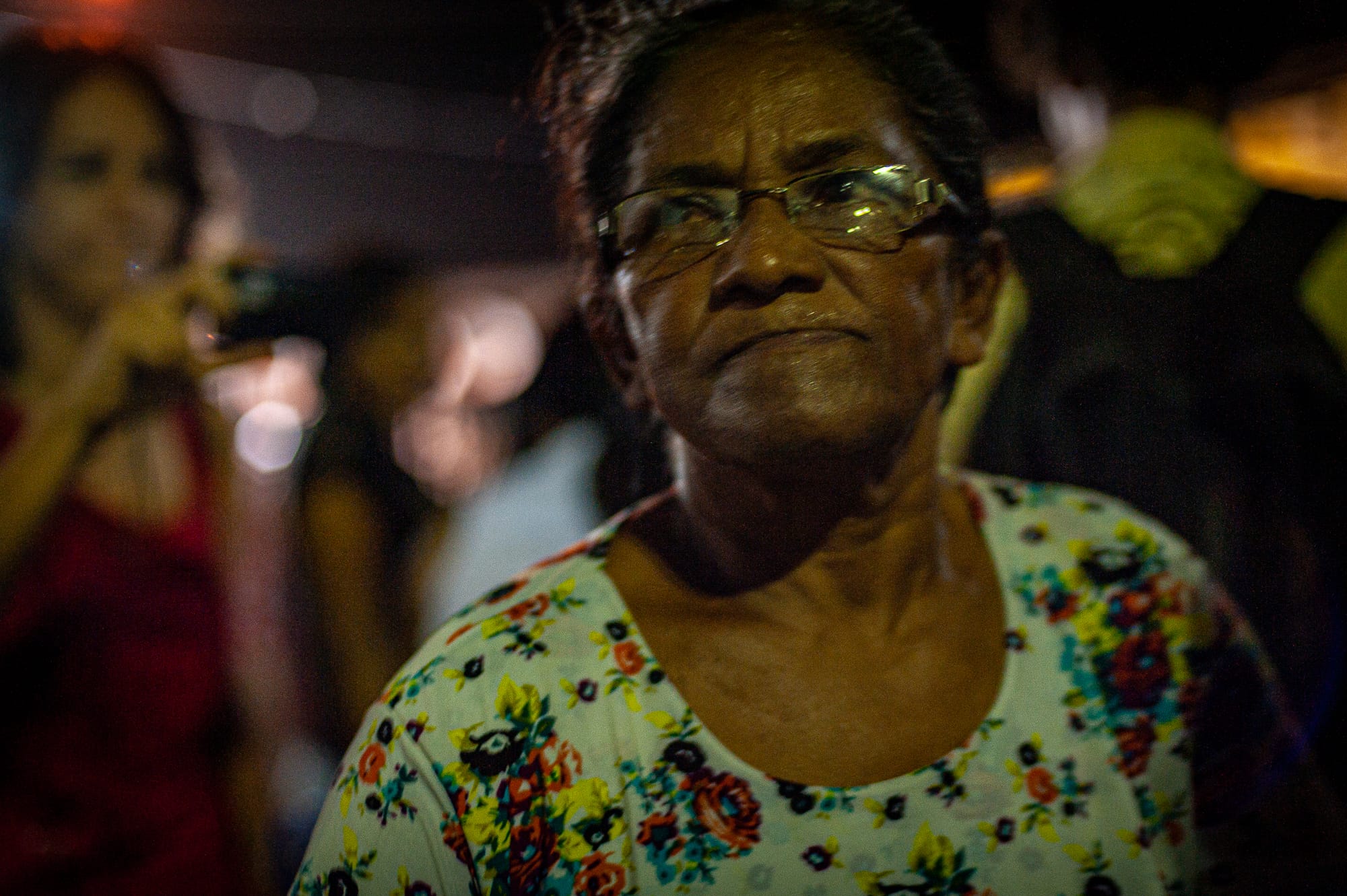
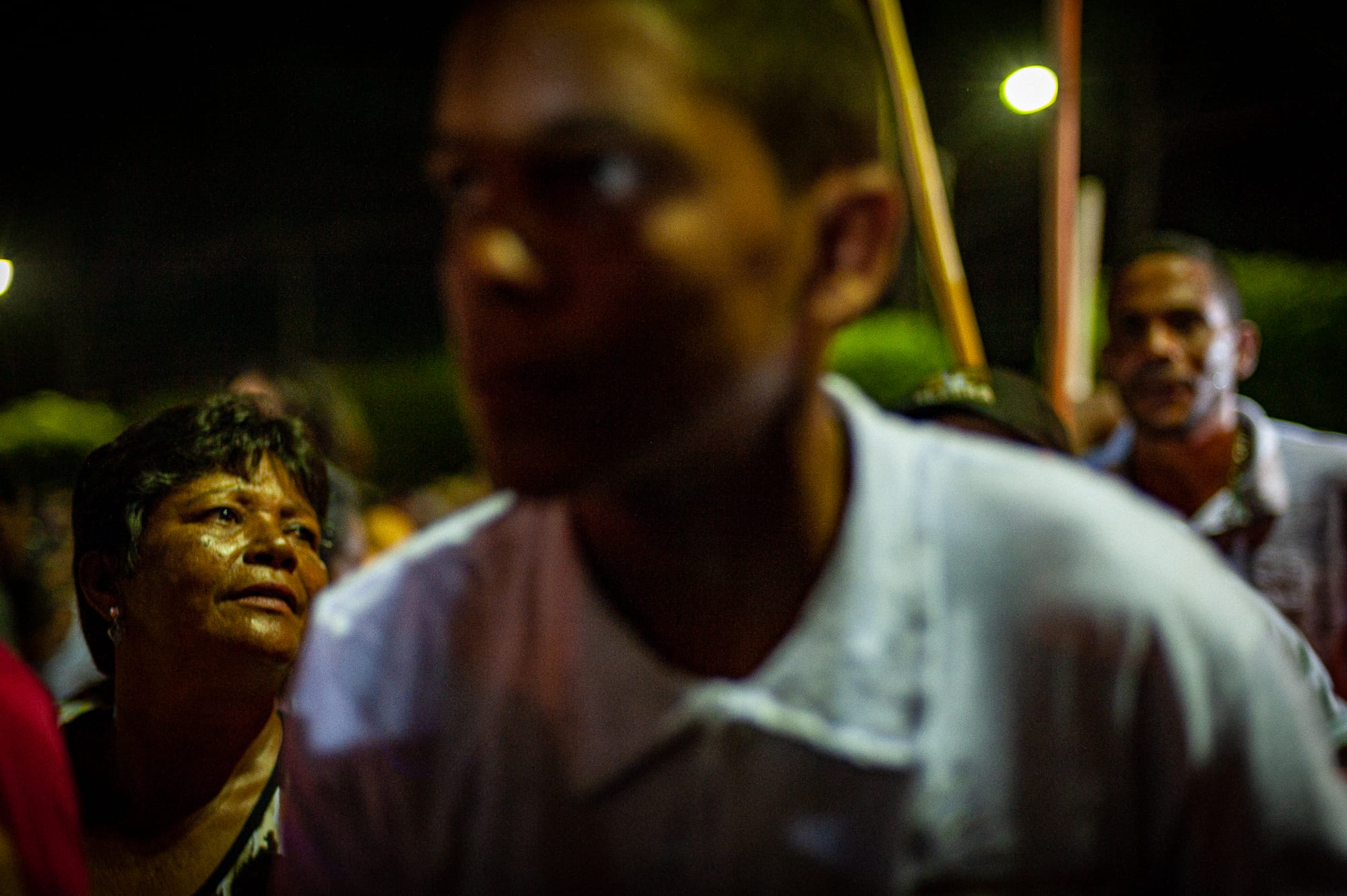
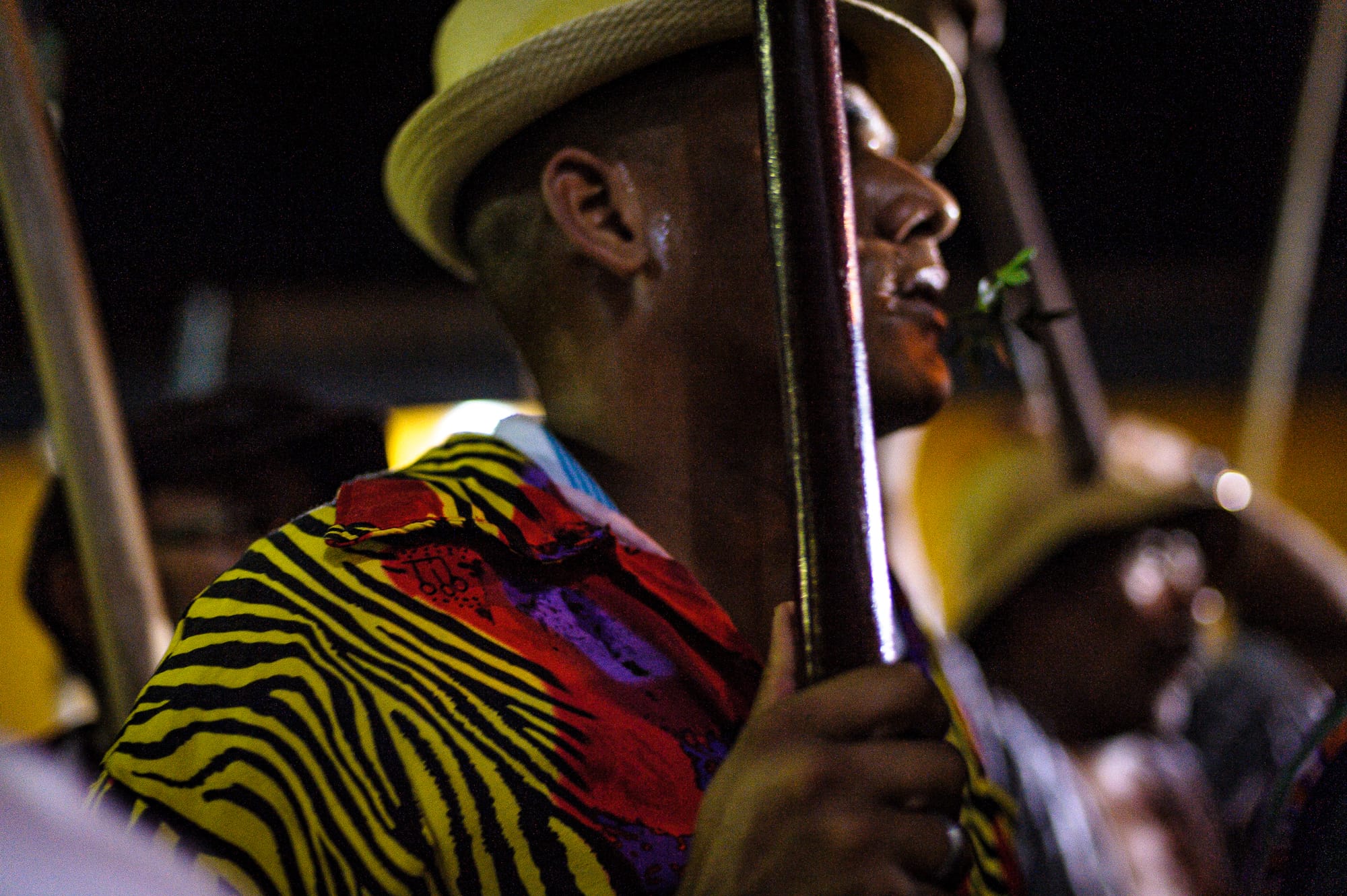
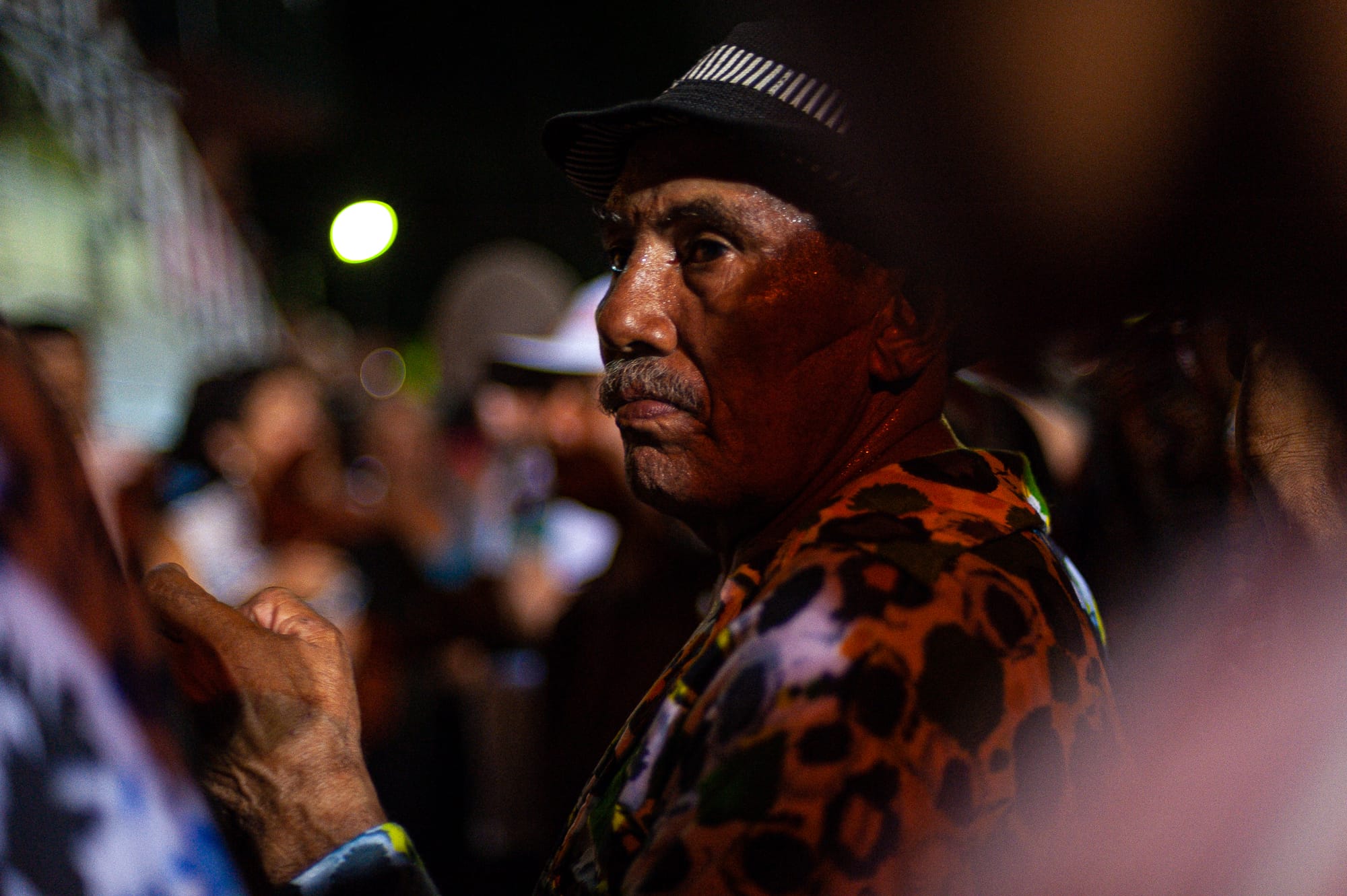
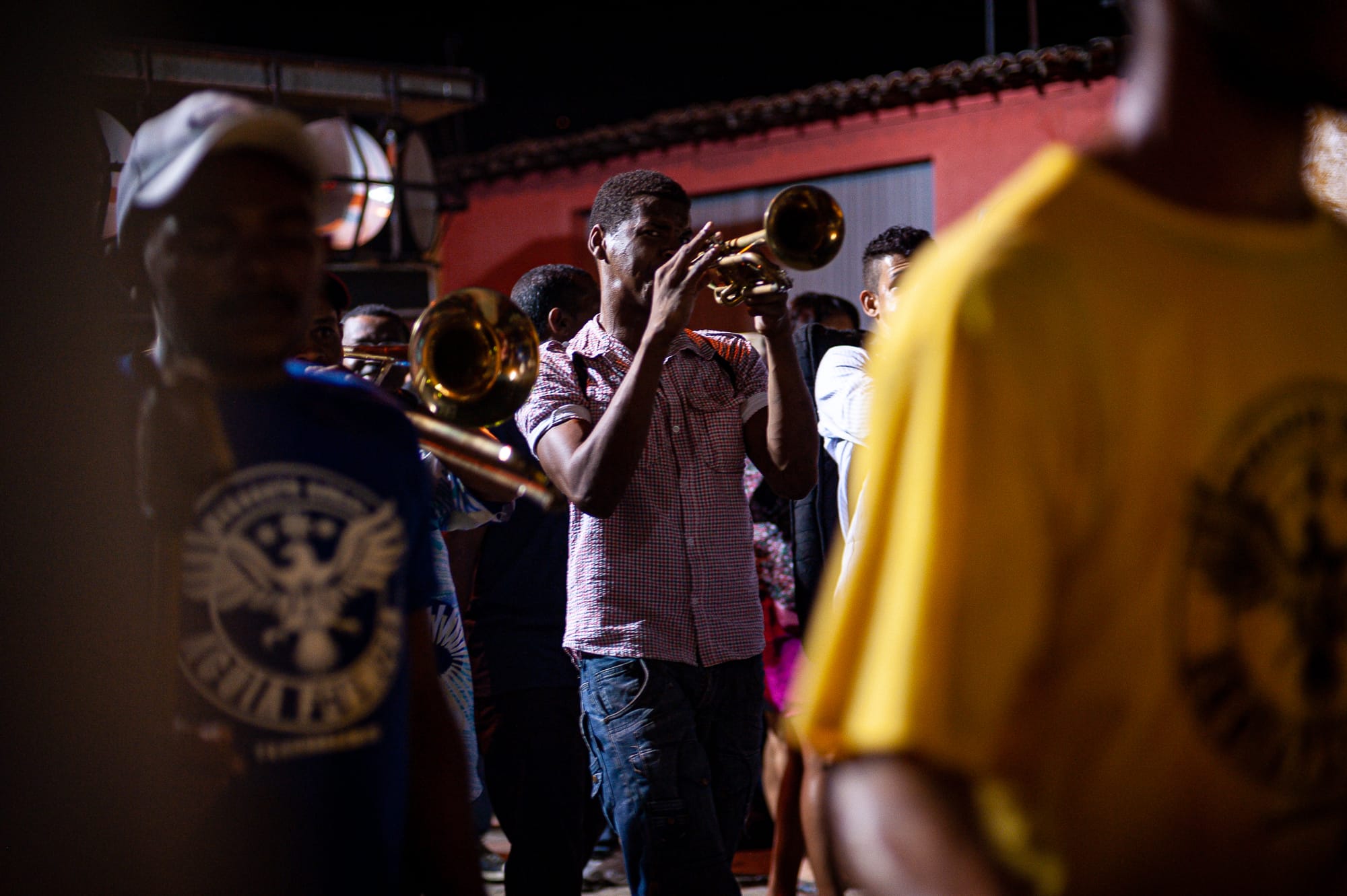
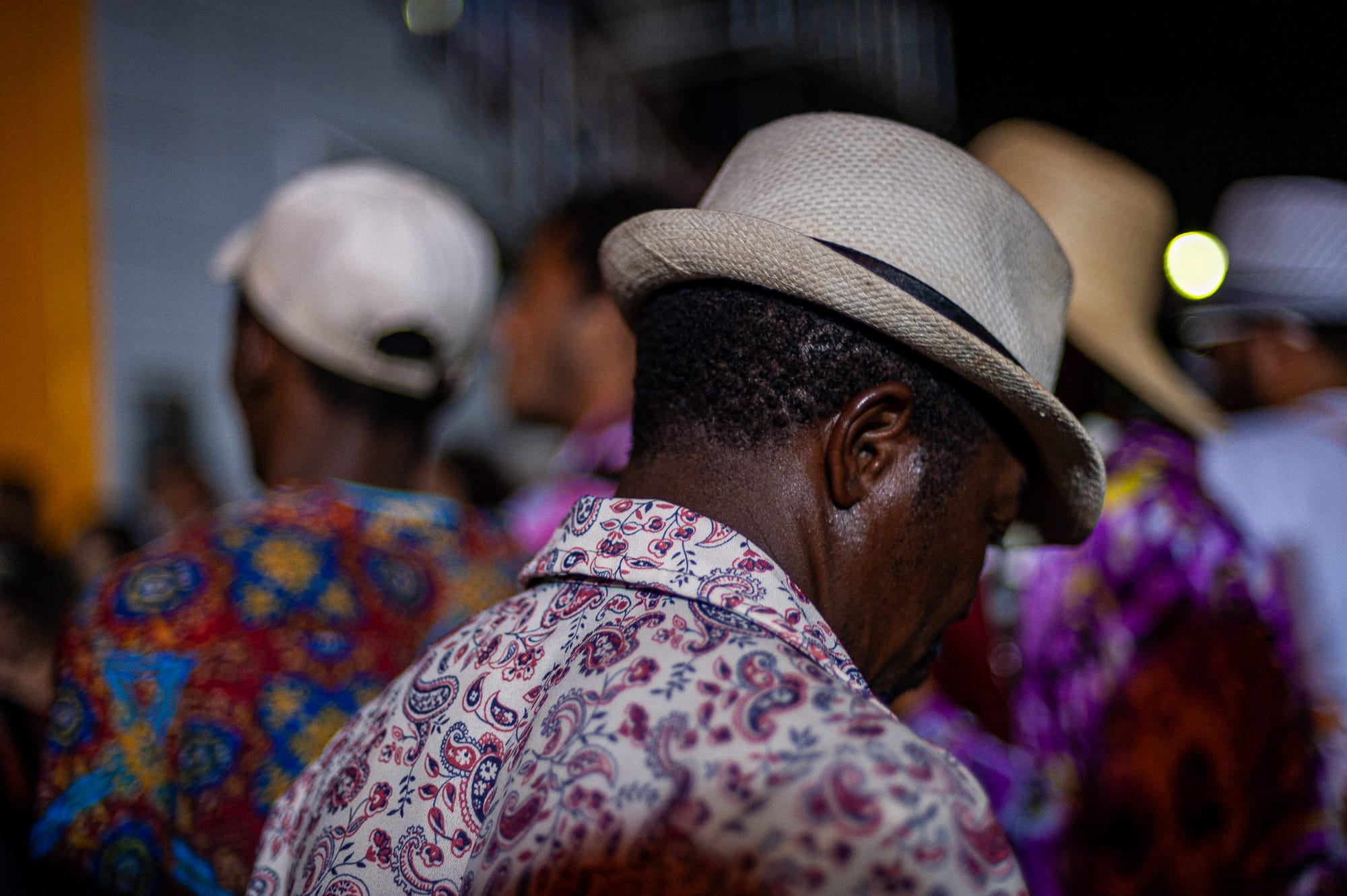
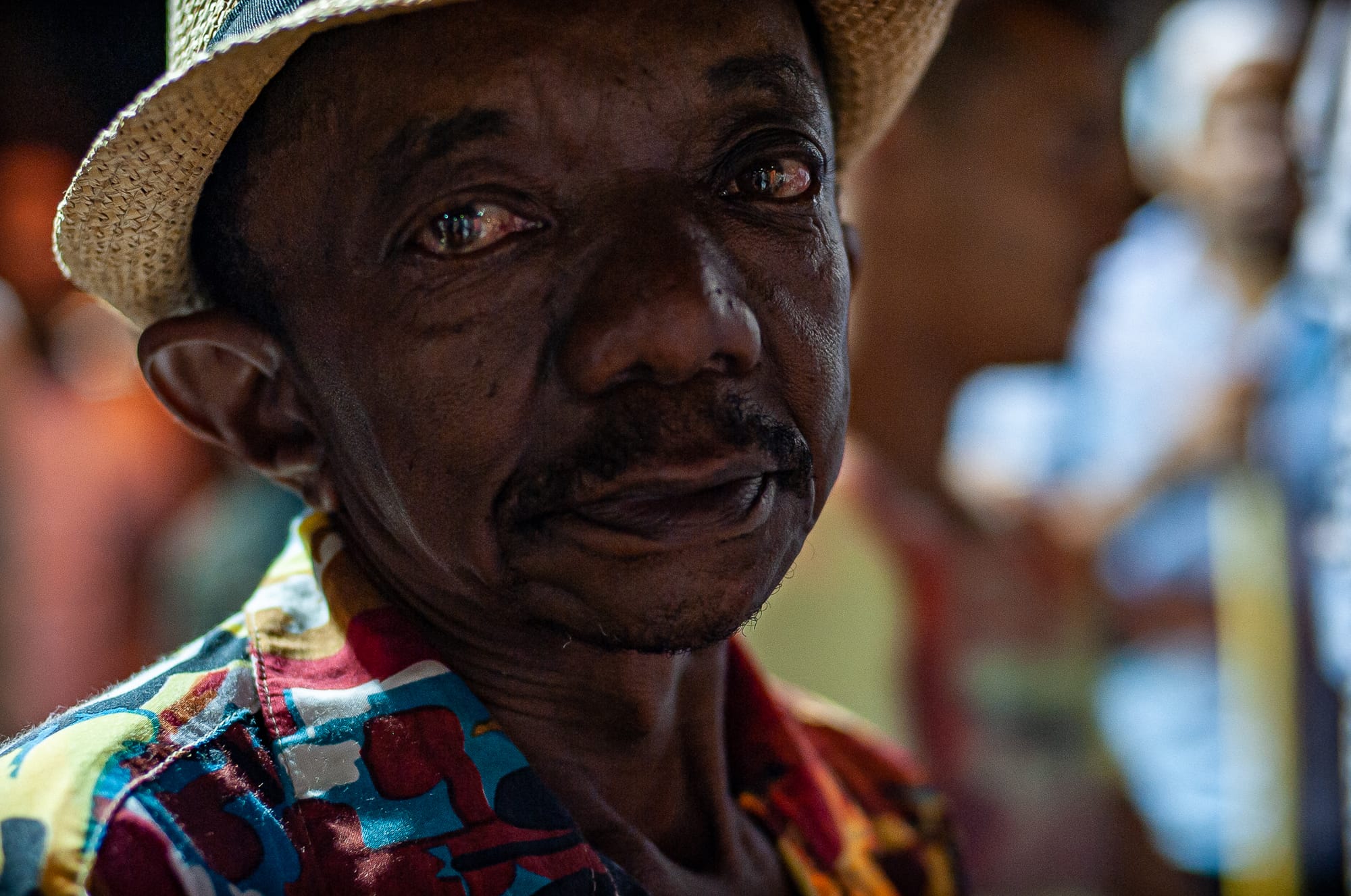
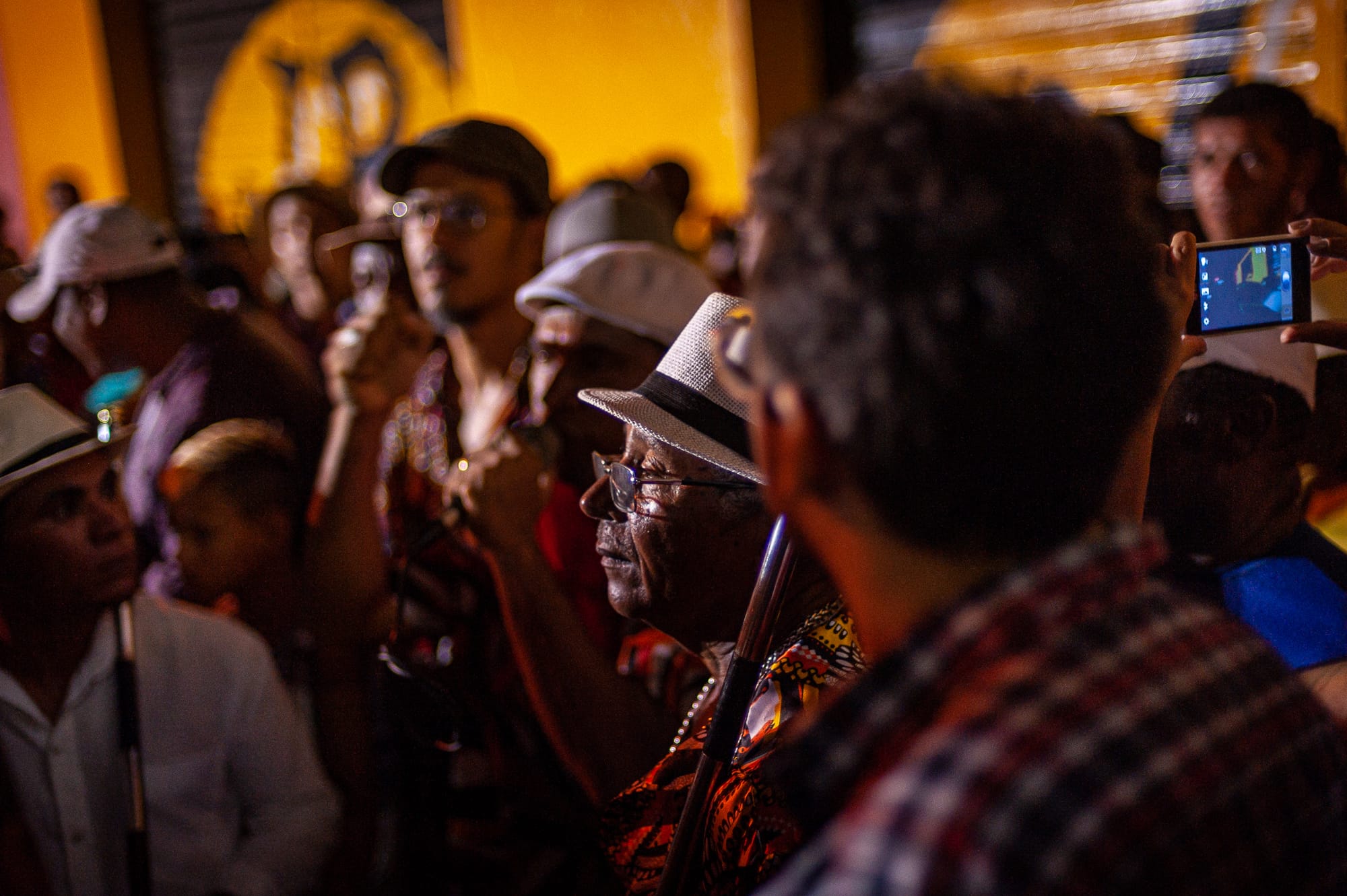
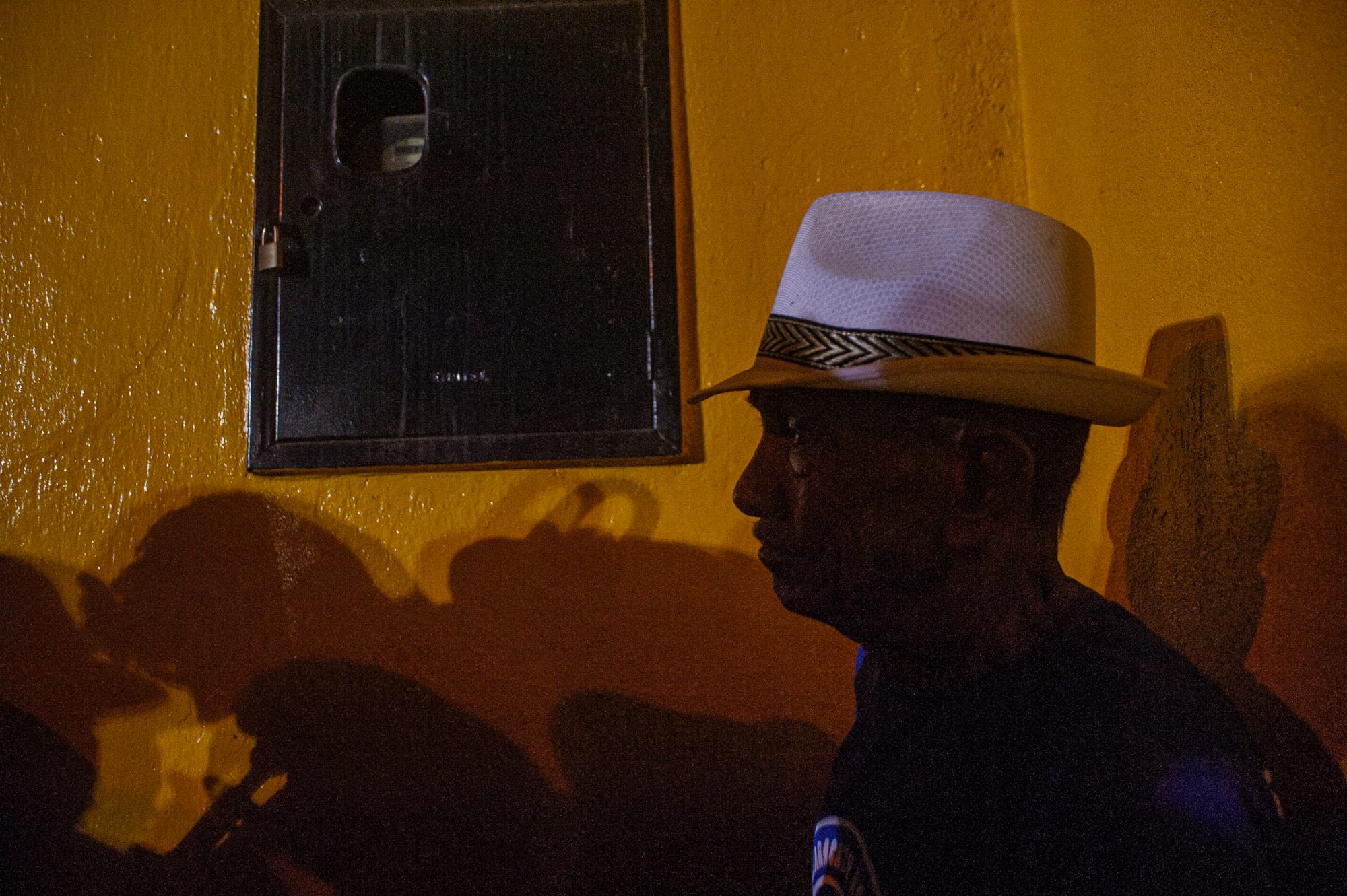
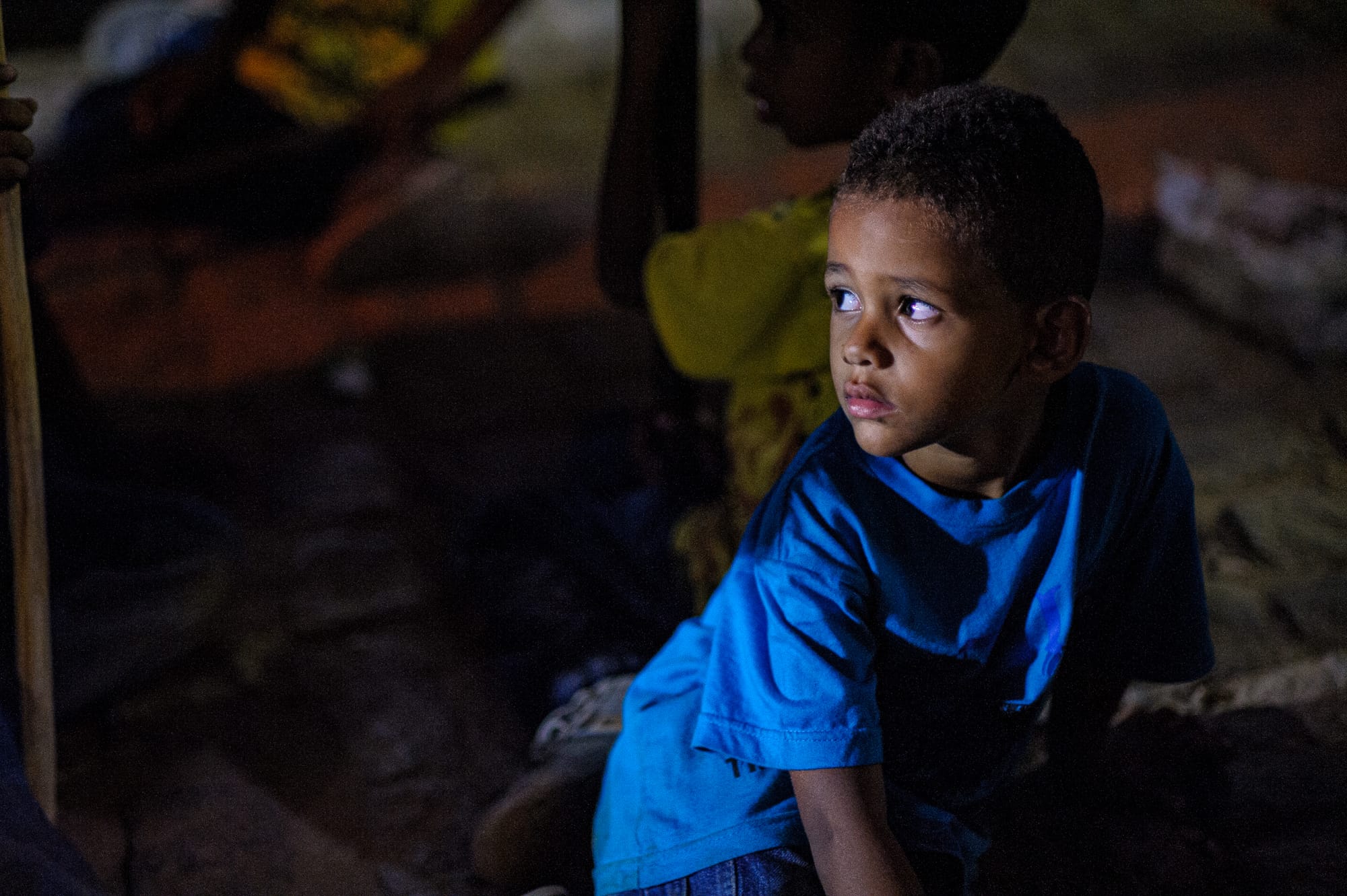
O maracatu de baque solto ou maracatu rural é uma manifestação cultural que acontece no estado de Pernambuco desde o século XVII, principalmente na região da zona da mata; Na cidade de Nazaré da Mata, berço do maracatu rural, os maracatuzeiros estavam sendo intimidados durante suas sambadas e batidas de terno (ensaios) pela polícia com ‘toques de recolher’, proibindo-os de amanhecerem o dia, uma tradição da brincadeira. Após anos de silenciamento, os mestres e maracatuzeiros denunciaram ao Ministério Público de Pernambuco o que estavam sofrendo, e ganharam uma recomendação de proteção por parte de promotores da justiça para que possam fazer suas sambadas até raiar o dia novamente, mantendo a tradição. O cerceamento que eles sofreram, foi uma interferência direta no fazer cultural, na vivência, e consequentemente na cultura do Estado“. A importância de amanhecer o dia fica mais fácil de se entender se for pensada talvez como uma coisa mística, religiosa. Parece simples, mas não é. Precisa-se de uma noite inteira mas não se trata de quantidade de tempo, e sim da possibilidade de suspensão do tempo. Fazer o tempo parar: As pessoas que realizam o trabalho braçal mais pesado só sabem se divertir também levando seu corpo ao limite na dança, no canto, no malabarismo mental da rima. (…)” Siba Veloso. Então aconteceu ‘Alvorada’, uma sambada de maracatu em Nazaré da Mata, na frente do quartel da polícia, comemorando a vitória dessa decisão e a manutenção da tradição de raiar o dia; Esse símbolo cultural do Estado que foi interrompido pela polícia por anos, é a apoteose do carnaval e Patrimônio cultural e imaterial pela ONU. Fica aqui um pensamento de que, quando as luzes dos grandes holofotes se apagam, pra onde estão voltados os olhos das pessoas que se encantam em ver o maracatu se apresentar?
Essa série foi realizada durante a Festa Alvorada, na cidade de Nazaré da Mata, em Pernambuco.
Esse trabalho dialoga com outros dois, o “Maracatu” e “Quantas mãos fazem um maracatu?”, que formam uma tríade sobre o Maracatu. A primeira série é ‘Maracatu’, que traz retratos dos brincantes durante um encontro que acontece todo ano no carnaval de Olinda, é um momento onde vemos os personagens num cortejo colorido, cheio de paetês e muito brilho durante a apresentação. A segunda é “Alvorada” que fala sobre uma sambada de maracatu, que foi feita em comemoração à uma liminar da justiça, deferida a favor dos maracatuzeiros, sobre o toque de recolher que era dado pela polícia por 3 anos, proibindo-os de raiarem o dia, uma tradição na cidade de Nazaré da Mata, berço do maracatu rural. E a terceira série é “Quantas mãos fazem um maracatu?” que fala do maracatu no começo, de dar forma, de um pano simples antes de todo o brilho, de fazer a roupa de um dos personagens mais emblemáticos do maracatu, o caboclo de lança.
+
Postagens relacionadas
About the series: On Stage
Blog
Going to a show you enjoy is always about connecting with the singer; it feels like you feel the same emotions as the songwriter. When I'm in front of the stage, it's sometimes as if the scene is happening in slow motion, with its countless colorful lights just for me. Then I immerse myself in the vibe of the musicians, the music,
The maracatu of loose drums or rural maracatu is a cultural manifestation that has had a place in the state of Pernambuco since the 17th century, mainly in the forest zone region. In the city of Nazaré da Mata, in the rural area of Maracatu, the Maracatuzeiros were being intimidated during their sambadas and drummers (rehearsals) by the police with 'toques de Queda', prohibiting them from dawning on the day, a tradition of the celebration. After years of silence, the maestros and maracatuzeiros denounced to the Public Ministry of Pernambuco what they were suffering from, and obtained a recommendation for protection from the justice inspectors to be able to perform their sambadas until it ends again, maintaining the tradition. The restriction that suffered was a direct interference in cultural practice, in experience and, consequently, in the culture of the State. "The importance of dawning the day is easier to understand if you think of it as something mystical, religious. It seems simple, but that's not it. If you need a good night, but it's not about a lot of time, it's about the possibility of suspending the time. The time will stop: the people who carry out the heaviest manual work only know have fun taking your body to the limit in the dance, the song, the mental juggling of the rhyme (...)" Siba Veloso. Then 'Alvorada' took place, a maracatu sambada in Nazaré da Mata, in front of the police headquarters, celebrating the victory of this decision and the maintenance of the tradition of shining the day. This cultural symbol of the State, which was interrupted by the police for years, is the apotheosis of carnival and Intangible Cultural Heritage by the UN. Here's a thought: when the lights of the great reflectors go out, where are the gazes of the people who are enchanted to see the maracatu present themselves directed?
This series was held during the Fiesta Alvorada, in the city of Nazaré da Mata, Pernambuco.
This work dialogues with others, "Maracatu" and "¿Cuántas manos hacen un maracatu?", which form a triad about Maracatu. The first series is 'Maracatu', which presents portraits of participants during a meeting that takes place every year during the Olinda carnival; It's a moment where we see the characters in a colorful procession, full of glitter and lots of shine during the presentation. The second is "Alvorada", which talks about a maracatu sambada, performed in commemoration of a precautionary measure of justice, granted in favor of maracatuzeiros, about the touch of fall that was imposed by the police for 3 years, prohibiting them from going out on the day, a tradition in the city of Nazaré da Mata, cuna del rural maracatu. And the third series is "How many hands do a maracatu?"
The maracatu de baque grosso or maracatu rural is a cultural manifestation that has taken place in the state of Pernambuco since the 17th century, mainly in the Zona da Mata region. In the city of Nazaré da Mata, birthplace of rural maracatu, the maracatuzeiros were being intimidated during their sambadas and trio rehearsals by the police with 'curfews', prohibiting them from welcoming the dawn — a tradition of the celebration. After years of being silenced, the masters and maracatuzeiros reported their suffering to the Public Prosecutor's Office of Pernambuco, and won a protection recommendation from prosecutors so that they could hold their sambadas until dawn again, preserving the tradition. The restriction they suffered was a direct interference in cultural practice, in their way of life, and consequently in the state's culture. "The importance of welcoming the dawn is easier to understand if perhaps thought of as something mystical or religious. It seems simple, but it is not. An entire night is necessary, but it is not about the amount of time, but rather the possibility of suspending time. Making time stand still: people who do the heaviest manual labor only know how to have fun by also pushing their bodies to the limit in dance, song, and the mental juggling of rhyme. (...)" Siba Veloso. Then 'Alvorada' (Dawn) happened: a maracatu sambada in Nazaré da Mata, in front of the police station, celebrating the victory of this decision and the preservation of the tradition of welcoming the dawn. This cultural symbol of the state, which was interrupted by the police for years, is the apotheosis of carnival and a UNESCO Intangible Cultural Heritage. A thought remains here: when the lights of the big spotlights go out, where are the eyes of those who delight in seeing the maracatu perform directed?
This series was produced during the Alvorada Festival, in the city of Nazaré da Mata, Pernambuco.
This work dialogues with two others, "Maracatu" and "How many hands make a maracatu?", which forms a trilogy about Maracatu. The first series is 'Maracatu', which brings portraits of the dancers during a meeting that takes place every year at the Olinda carnival; it is a moment when we see the characters in a colorful procession, full of sequins and lots of shine during the performance. The second is "Alvorada", which speaks about a maracatu sambada held in celebration of a court injunction granted in favor of the maracatuzeiros, regarding the curfew imposed by the police for 3 years, which prohibited them from welcoming the dawn — a tradition in the city of Nazaré da Mata, birthplace of rural maracatu. And the third series is "How many hands make a maracatu?", which talks about the maracatu at its beginning, giving it shape, a simple cloth before all the shine, making the costume of one of the most emblematic characters of the maracatu, the caboclo de lance.