MARACATU
Olinda, Pernambuco; Brazil. 2015


















Sobre a série:
Maracatu
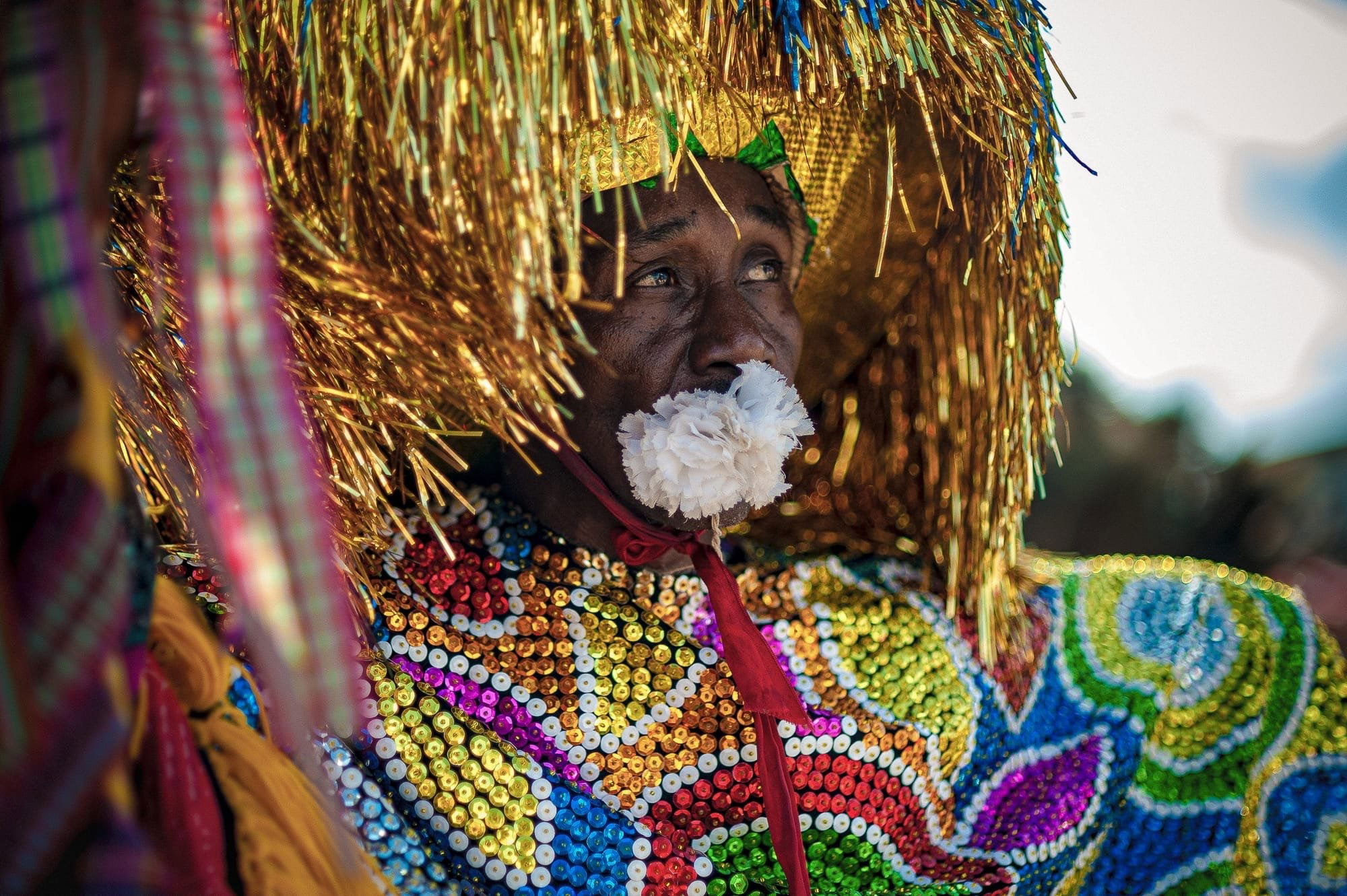
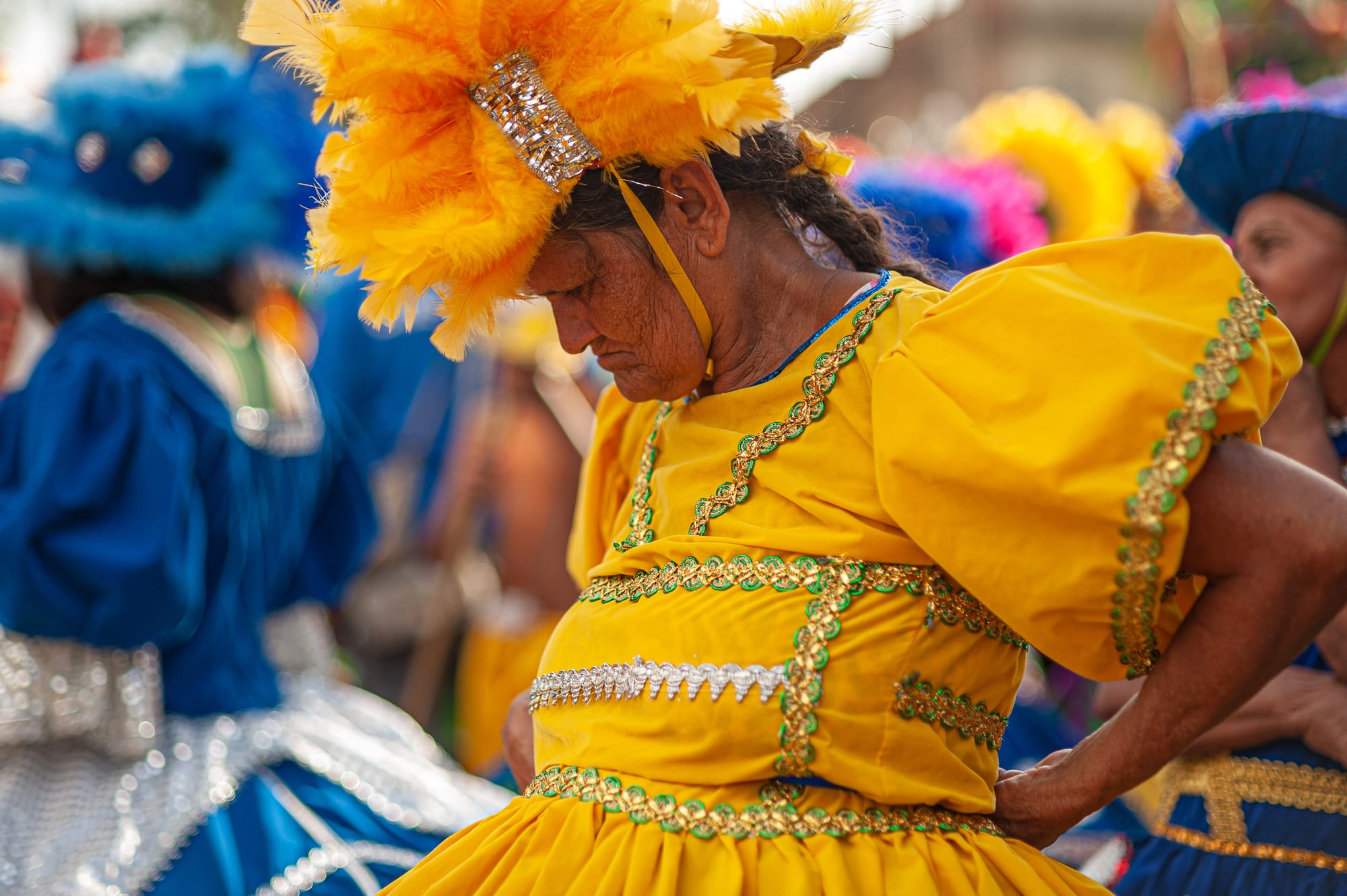
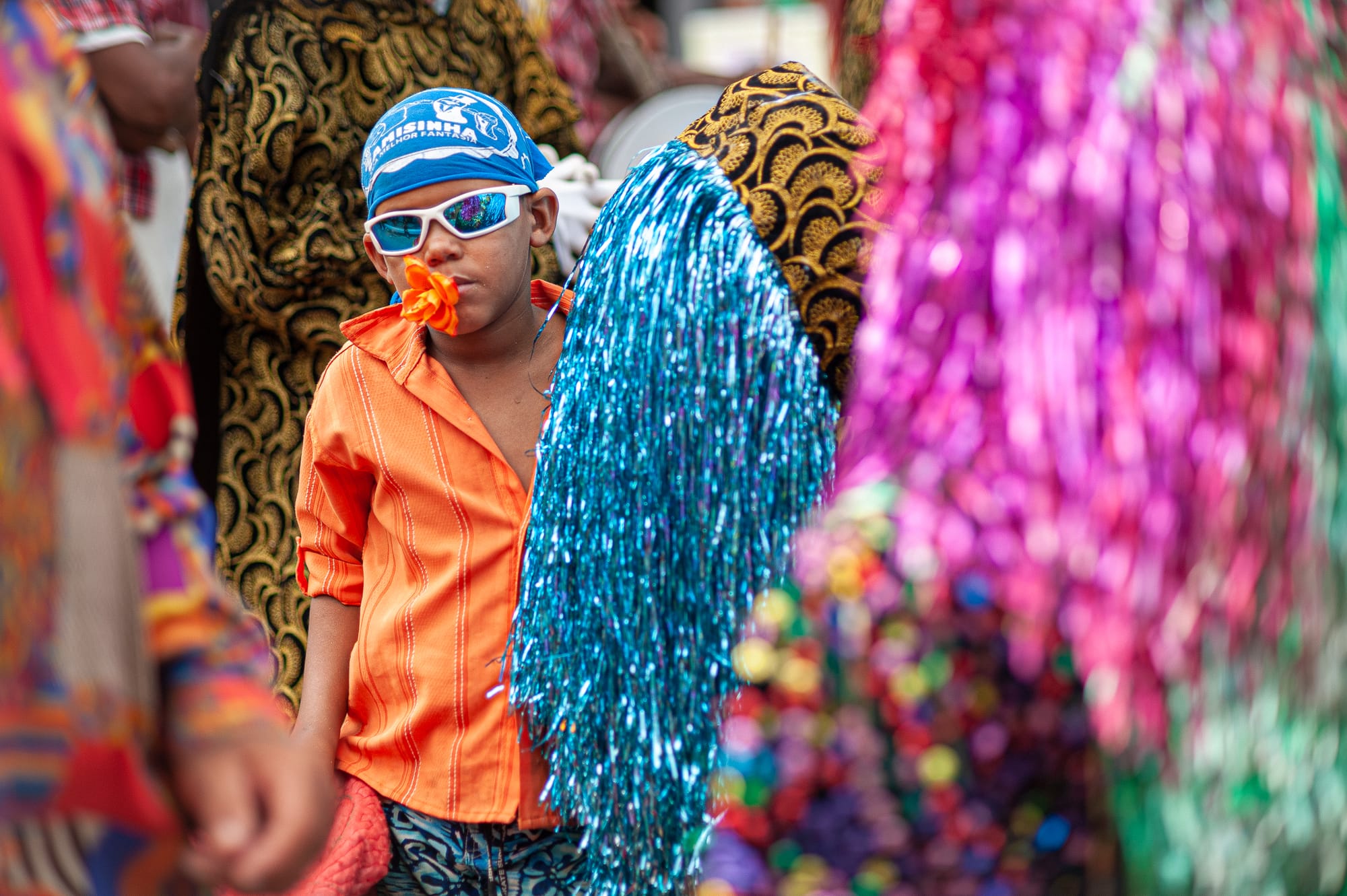
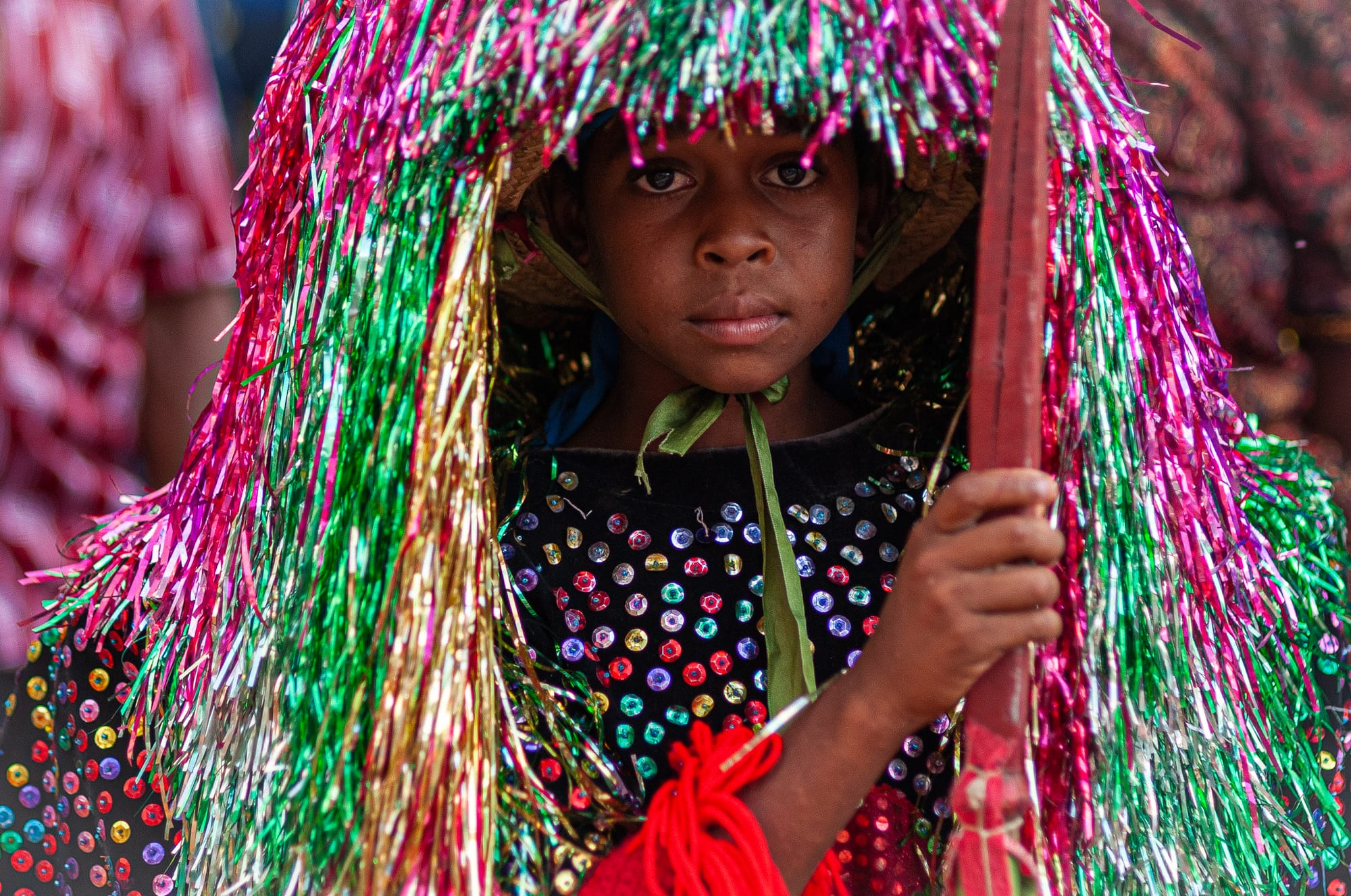
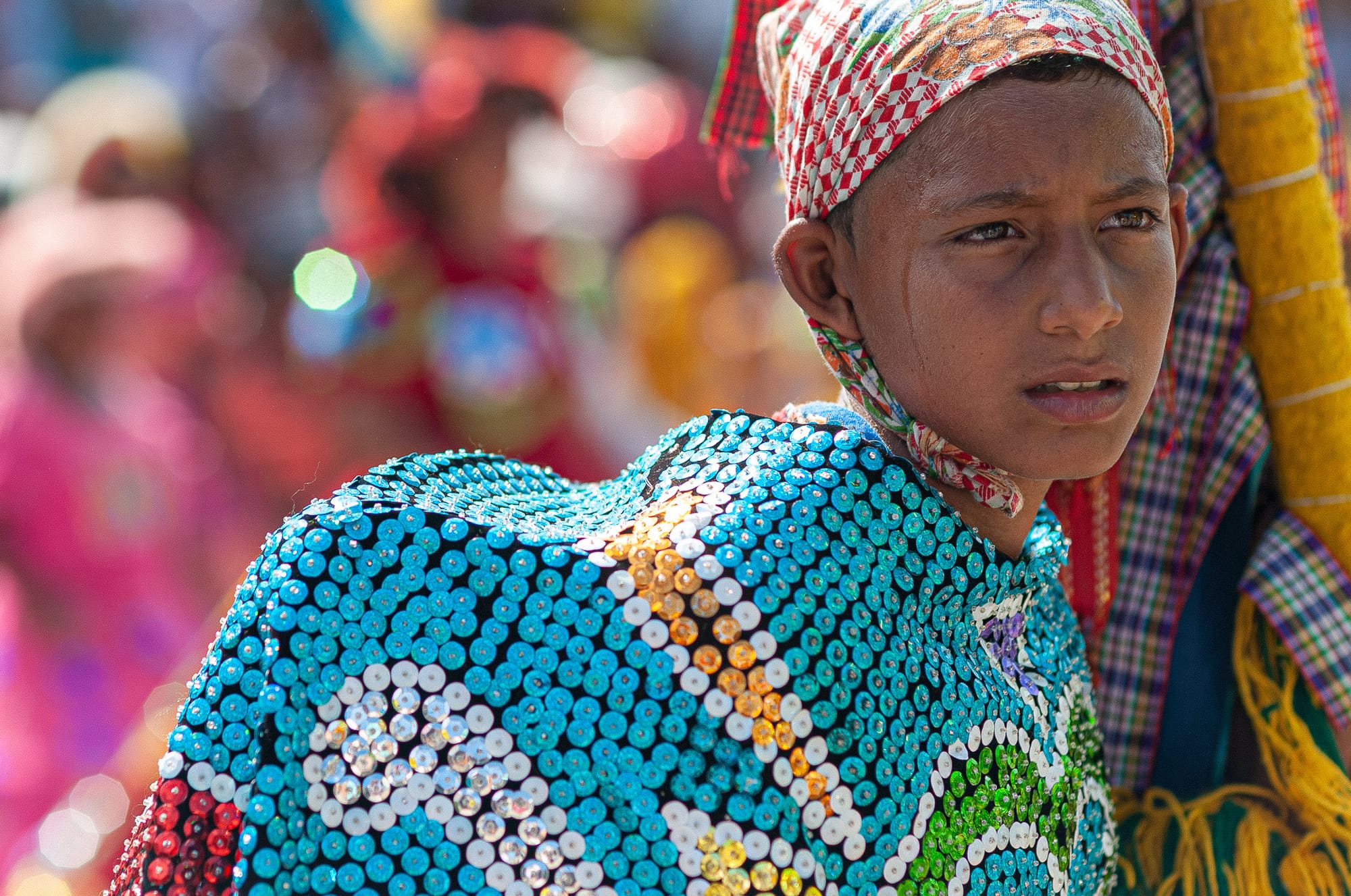
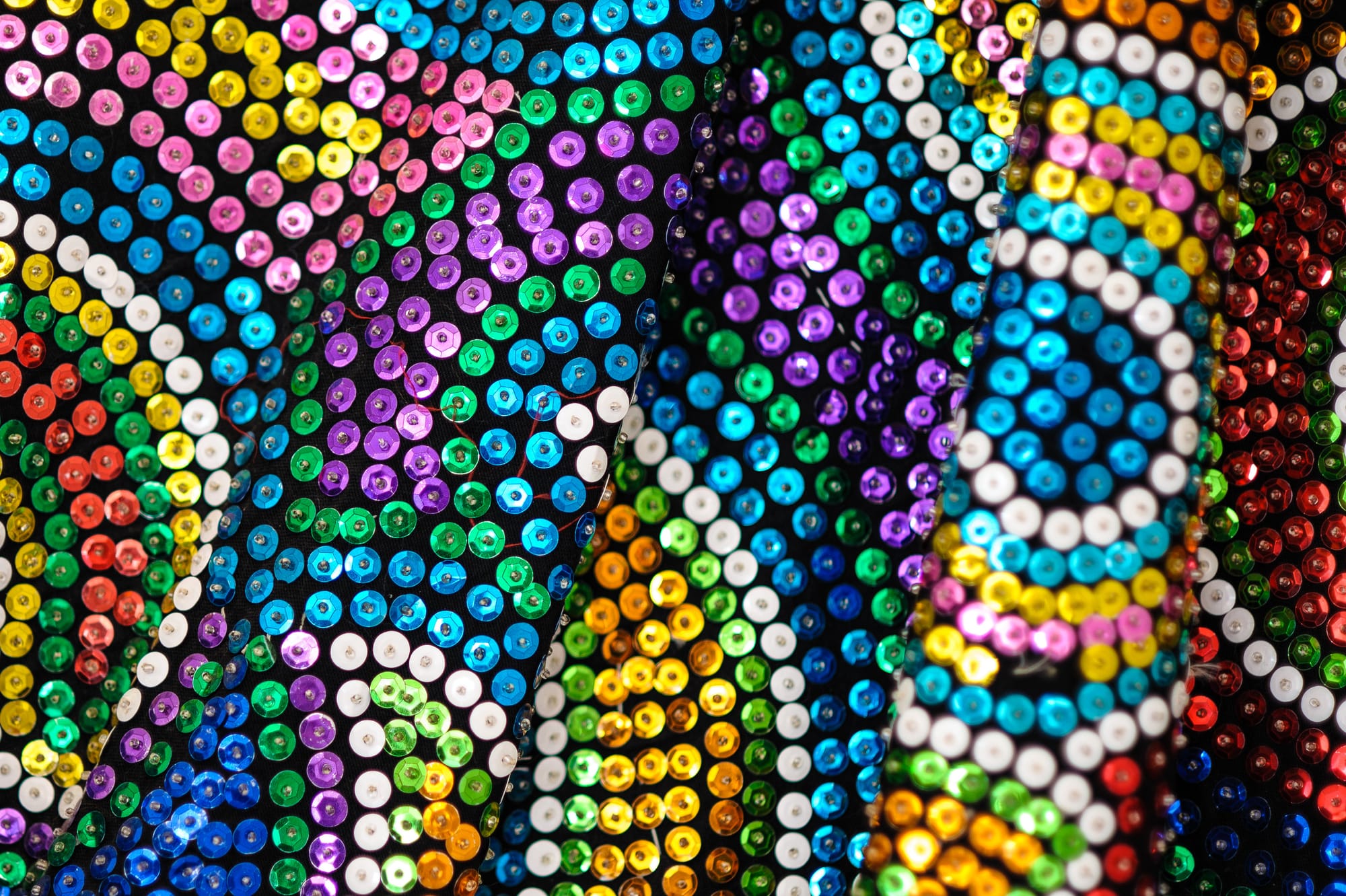
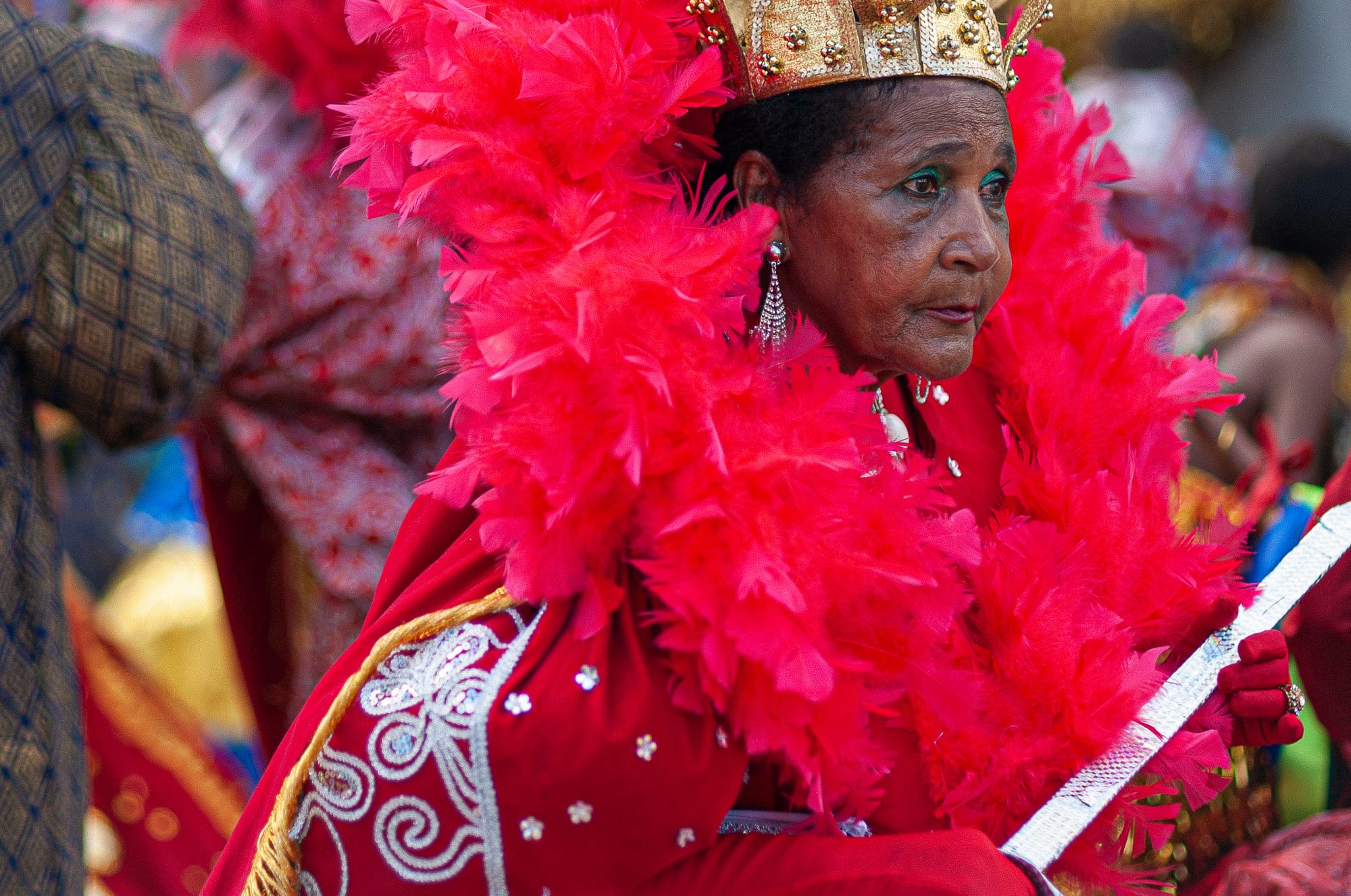
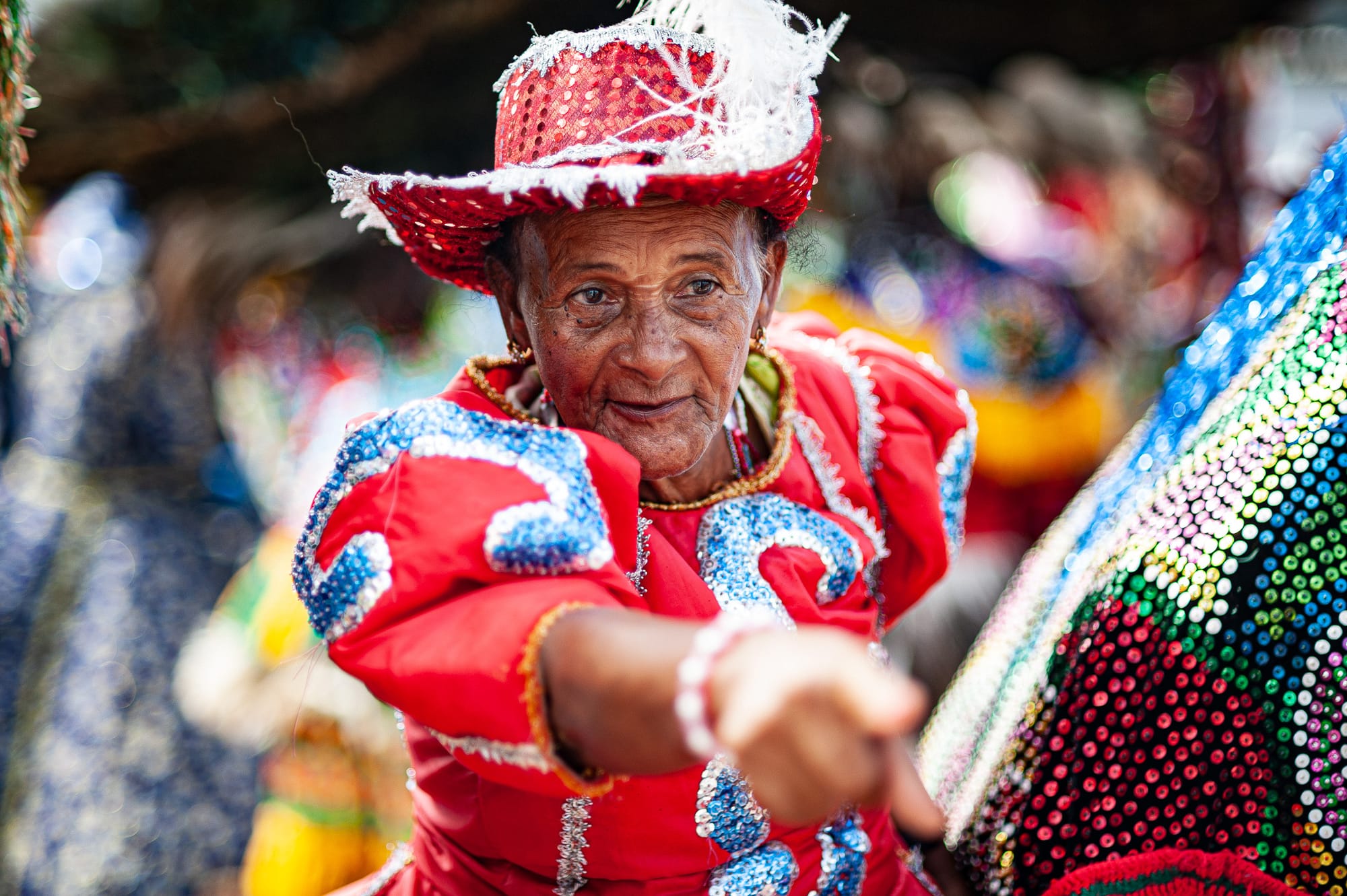
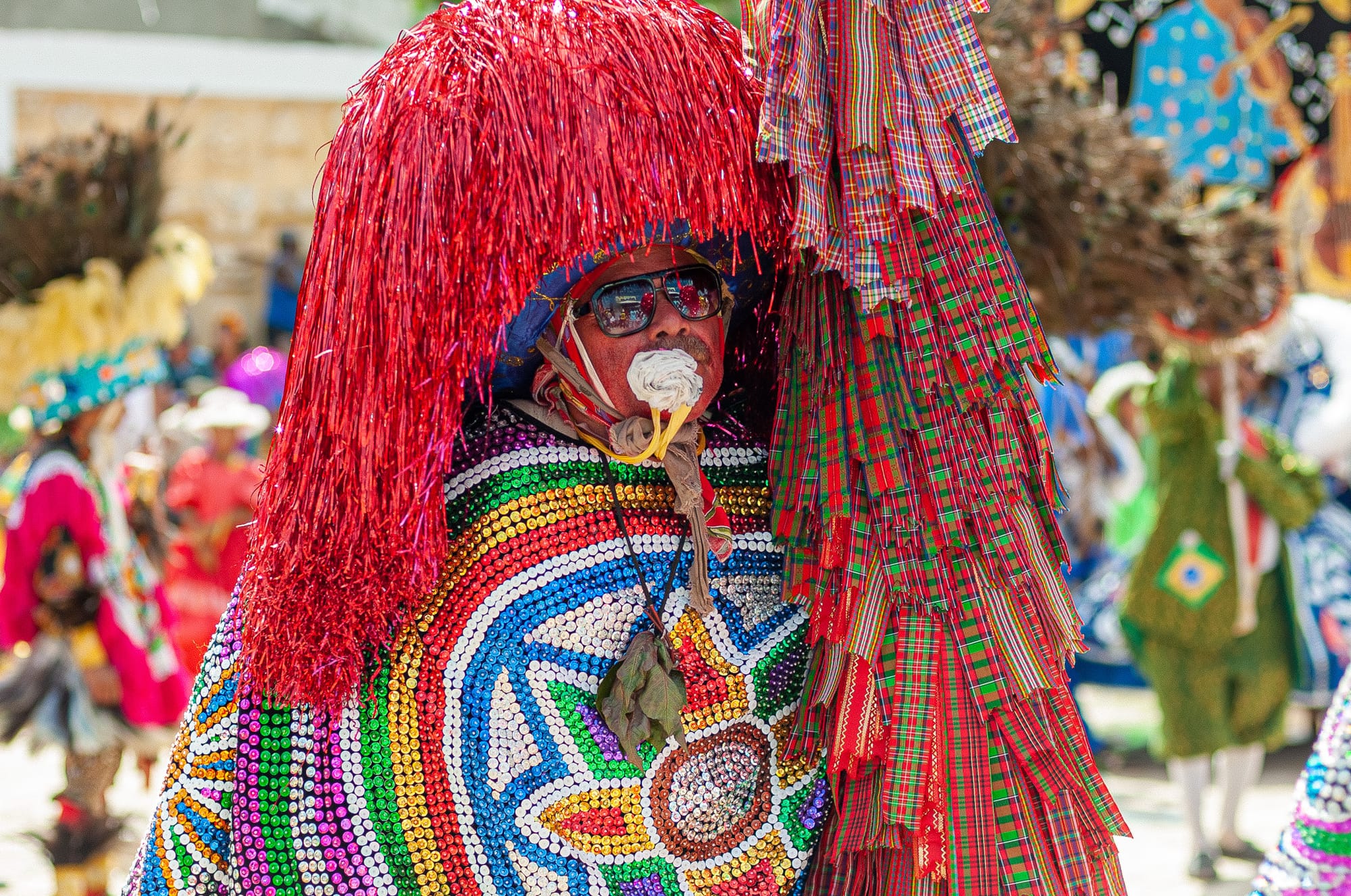
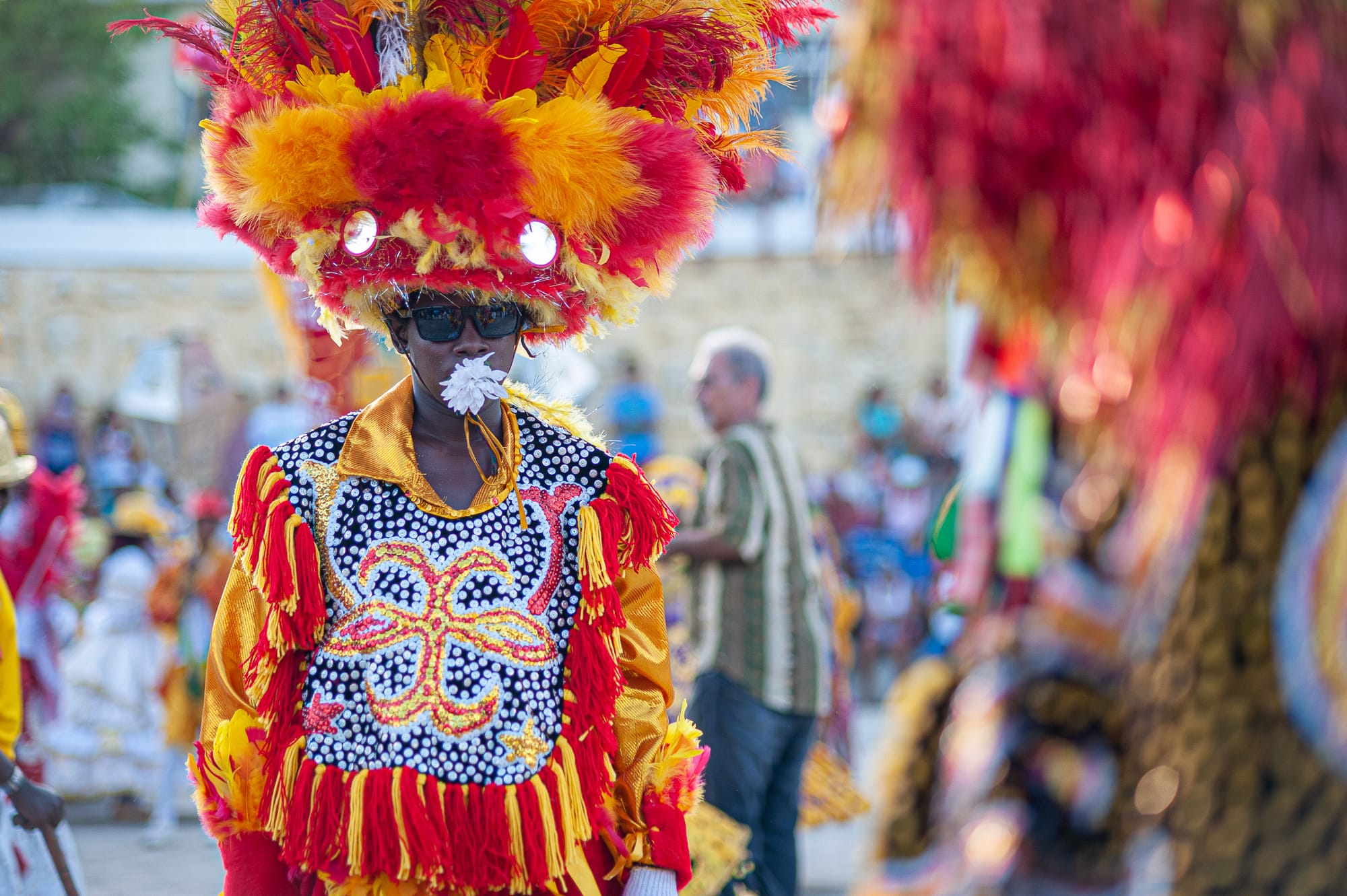
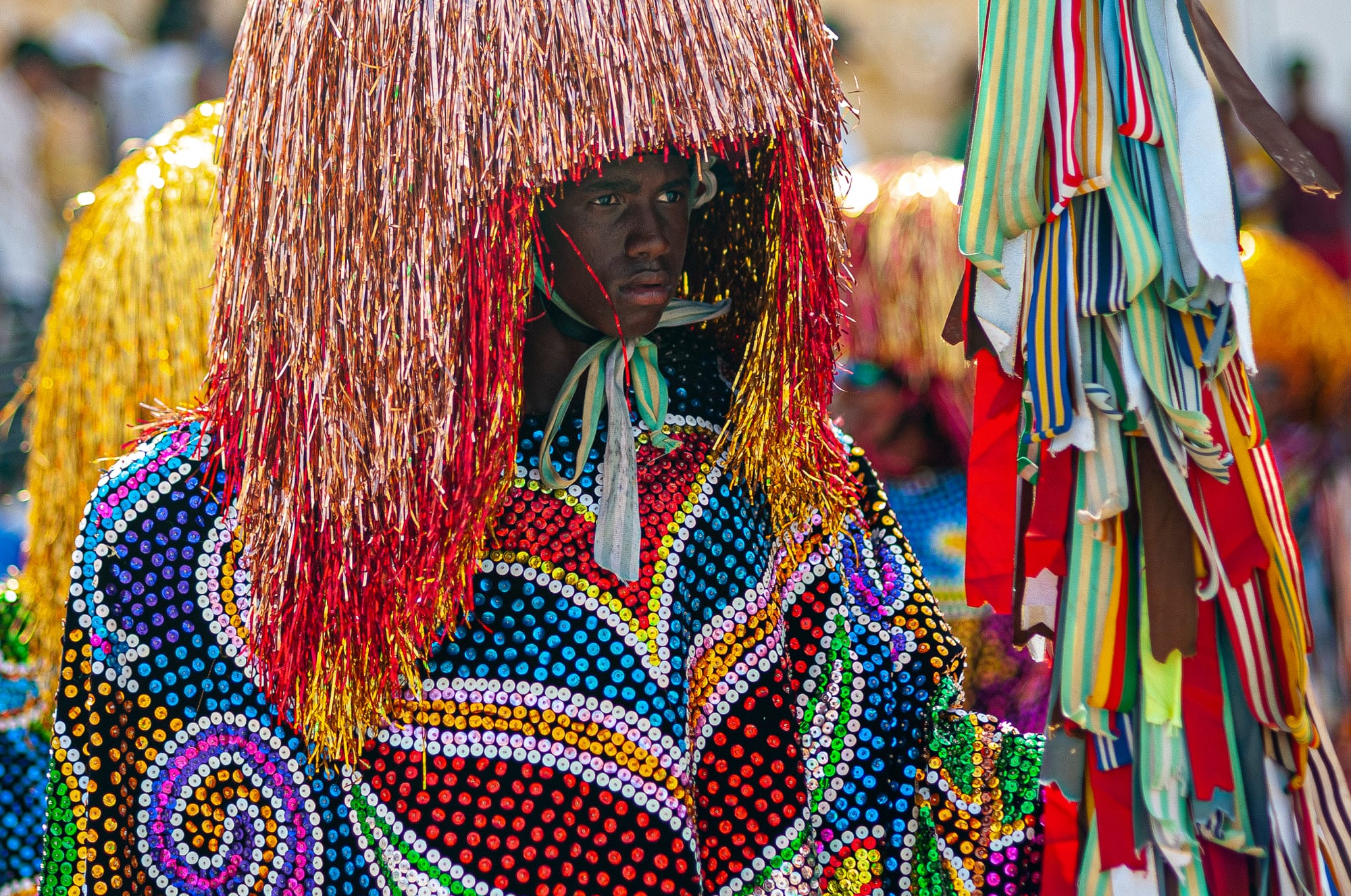
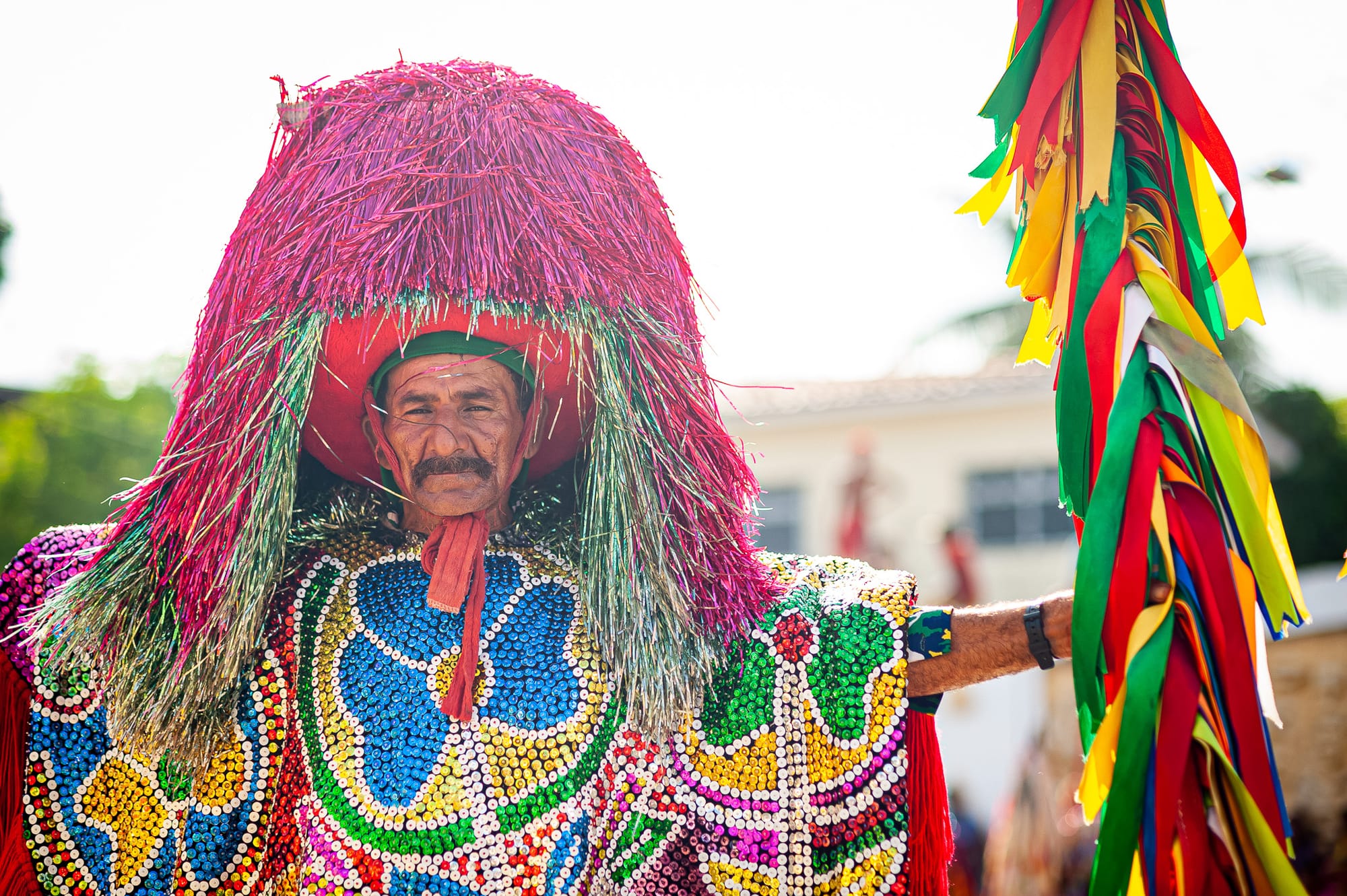
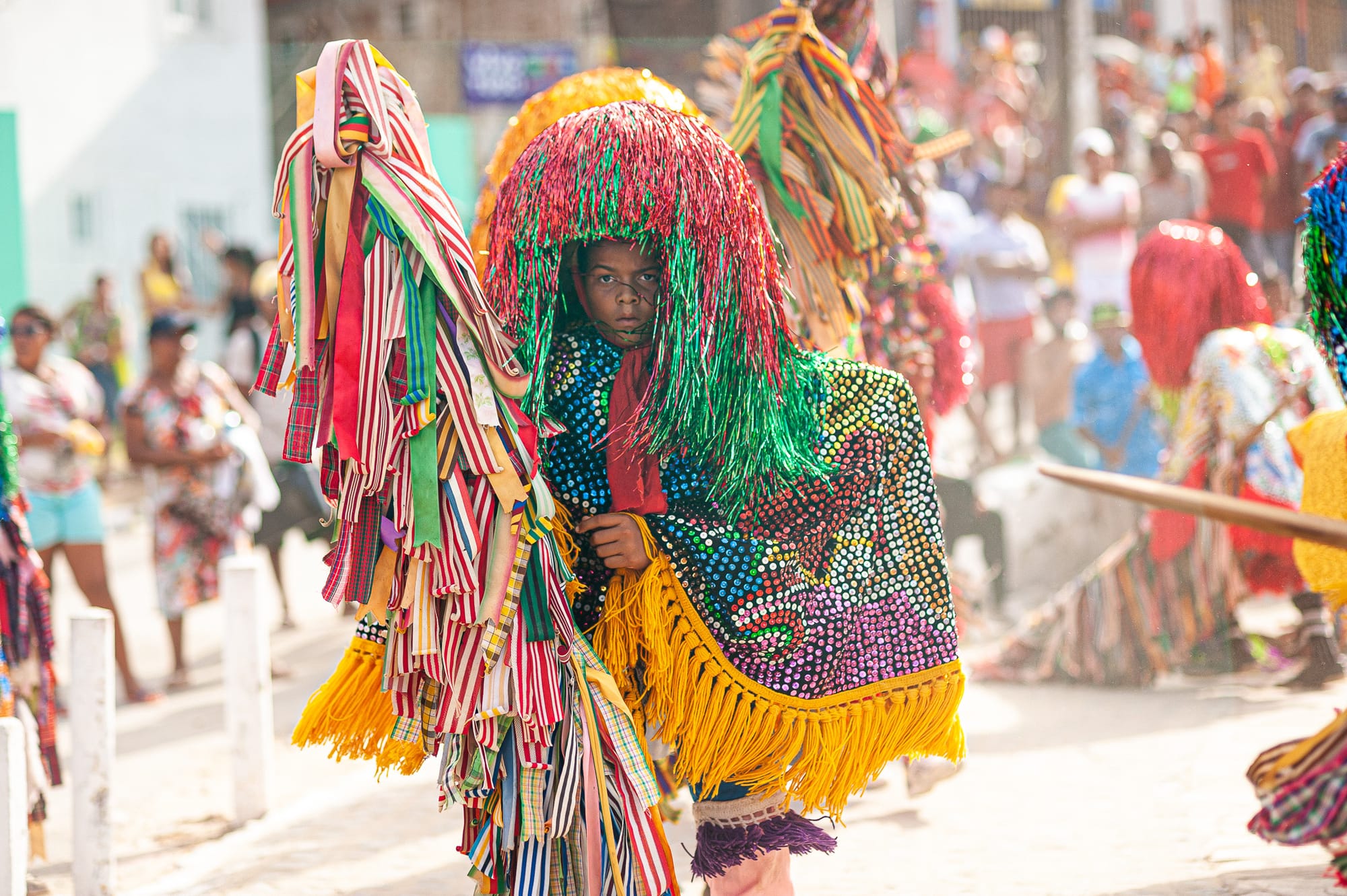
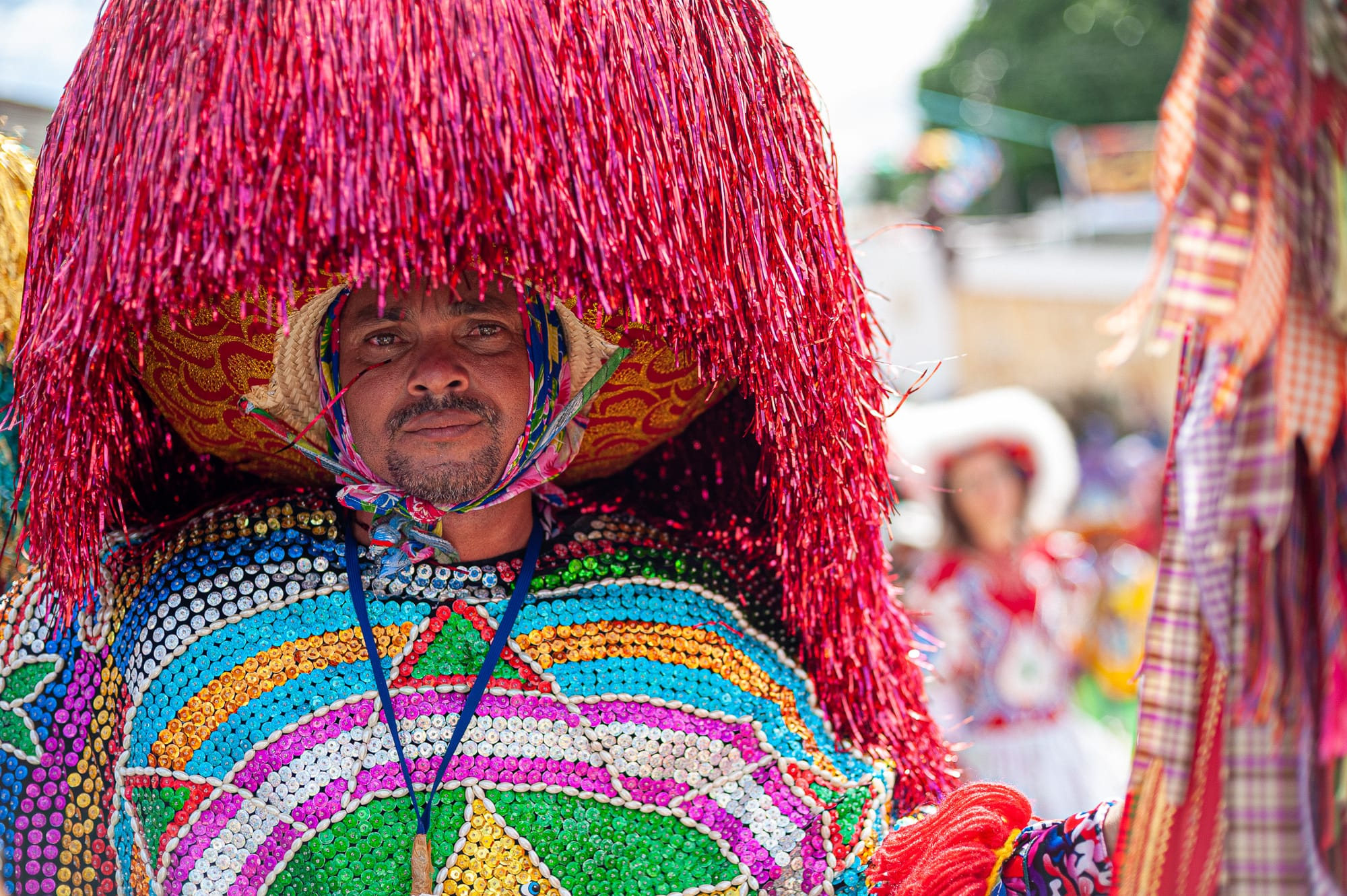
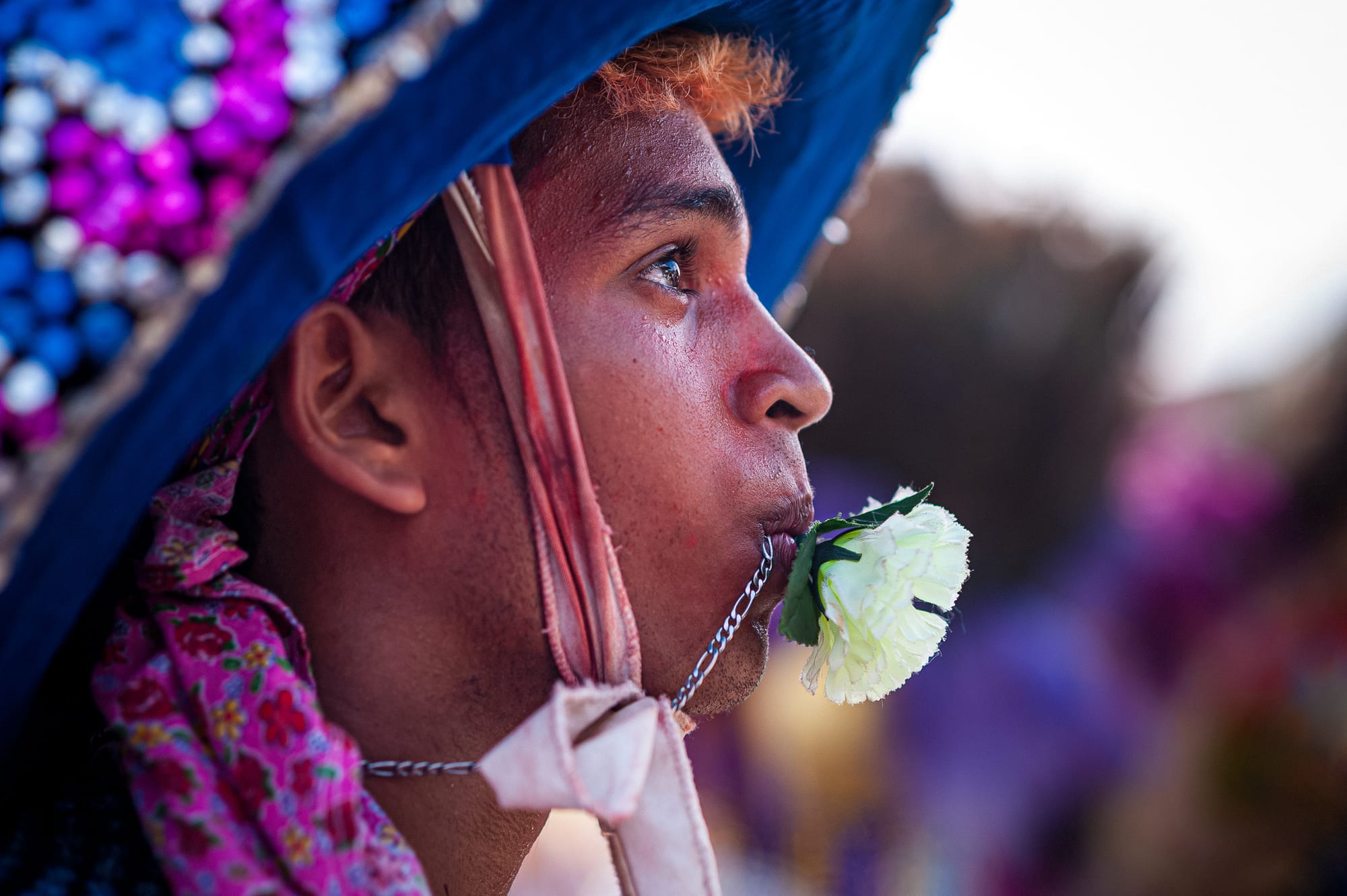
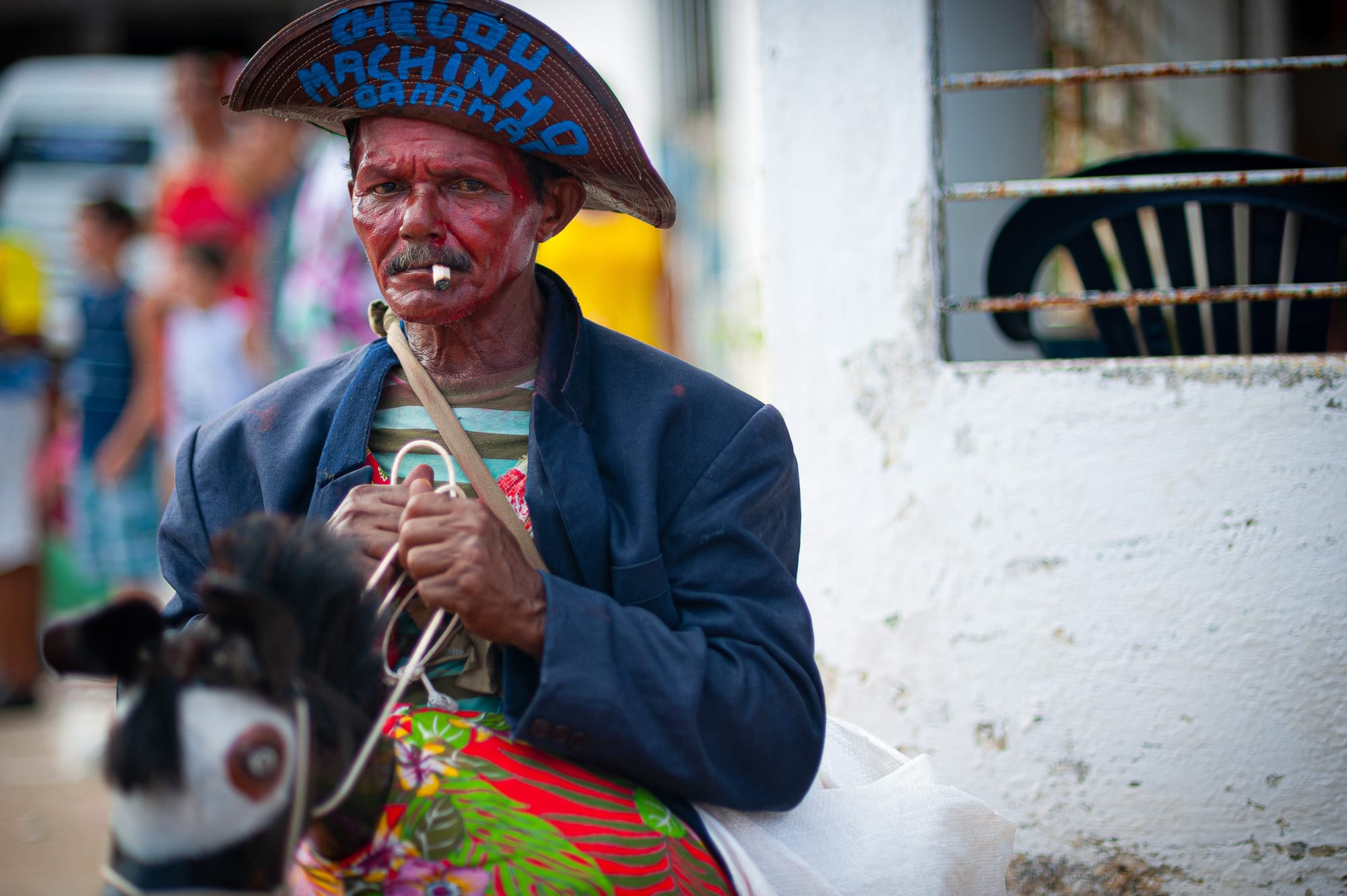
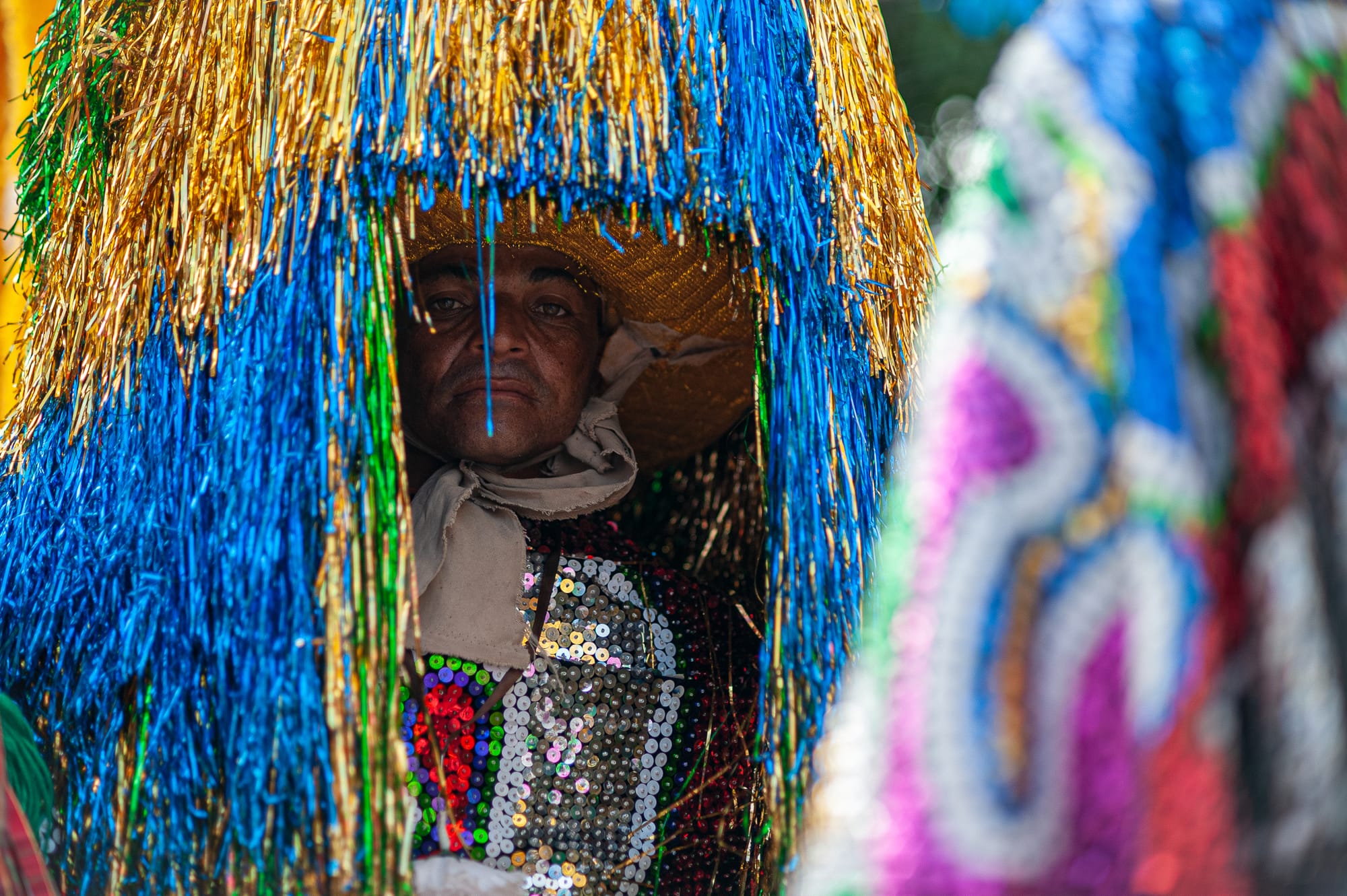
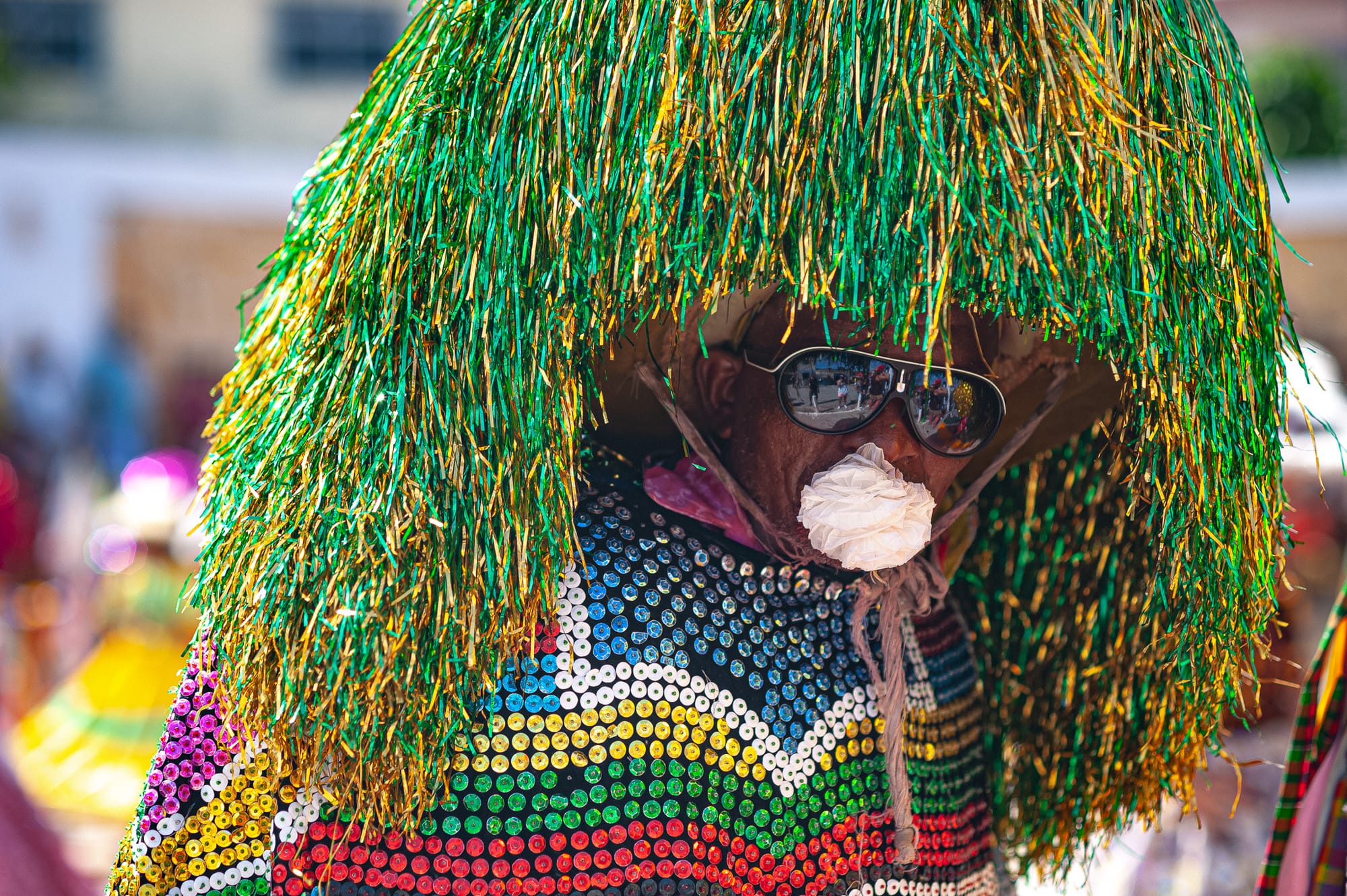
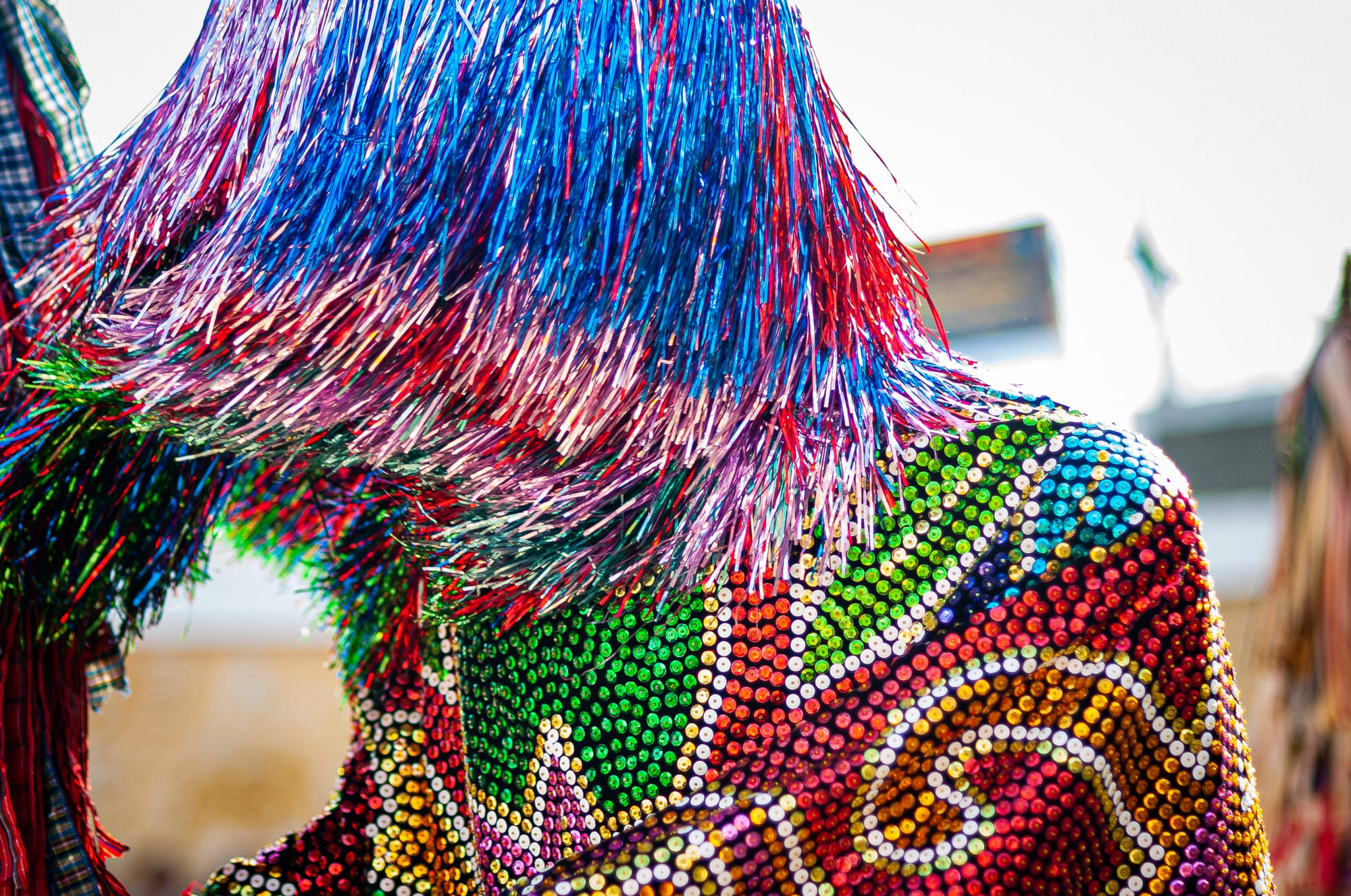
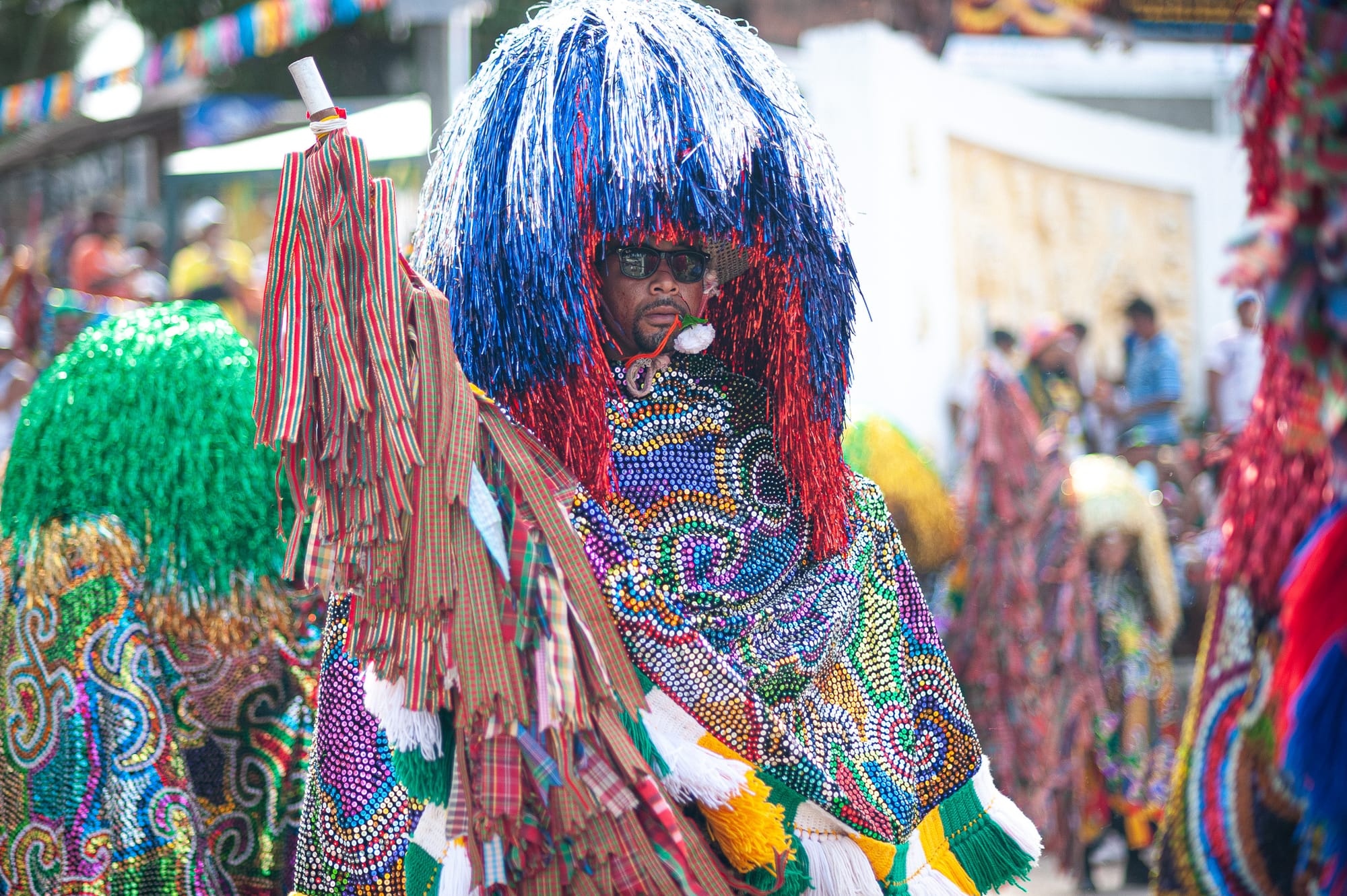
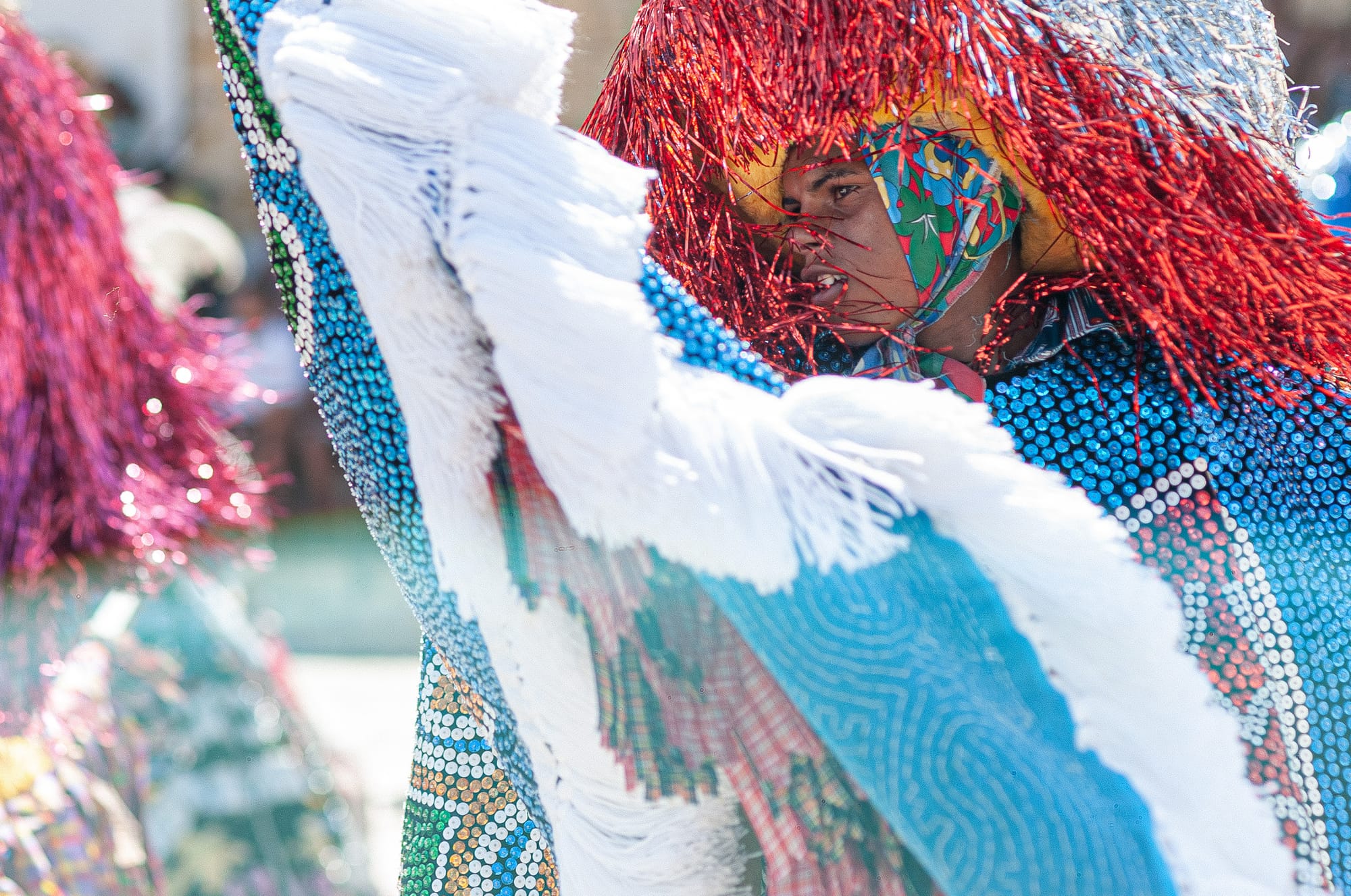
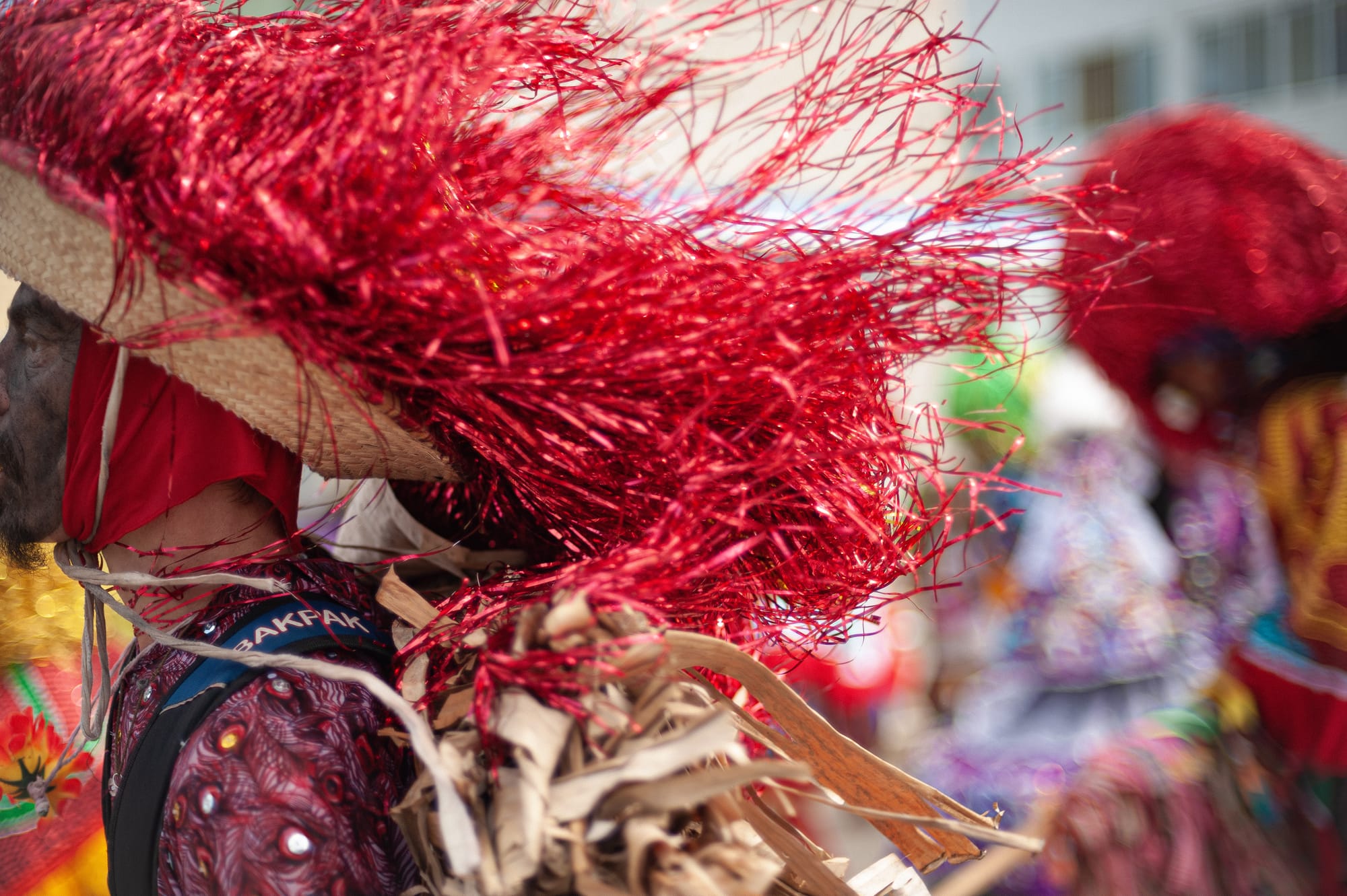
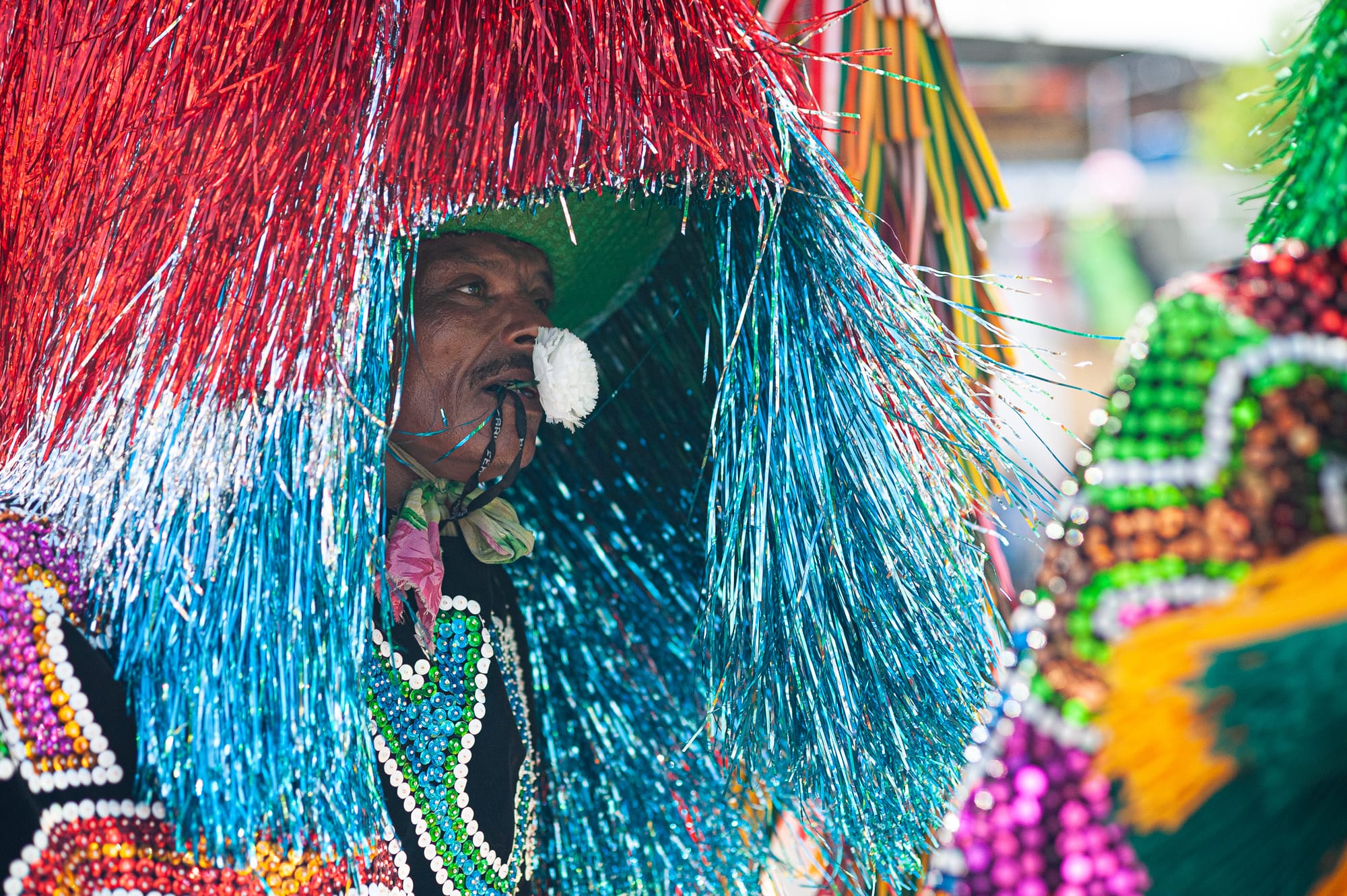
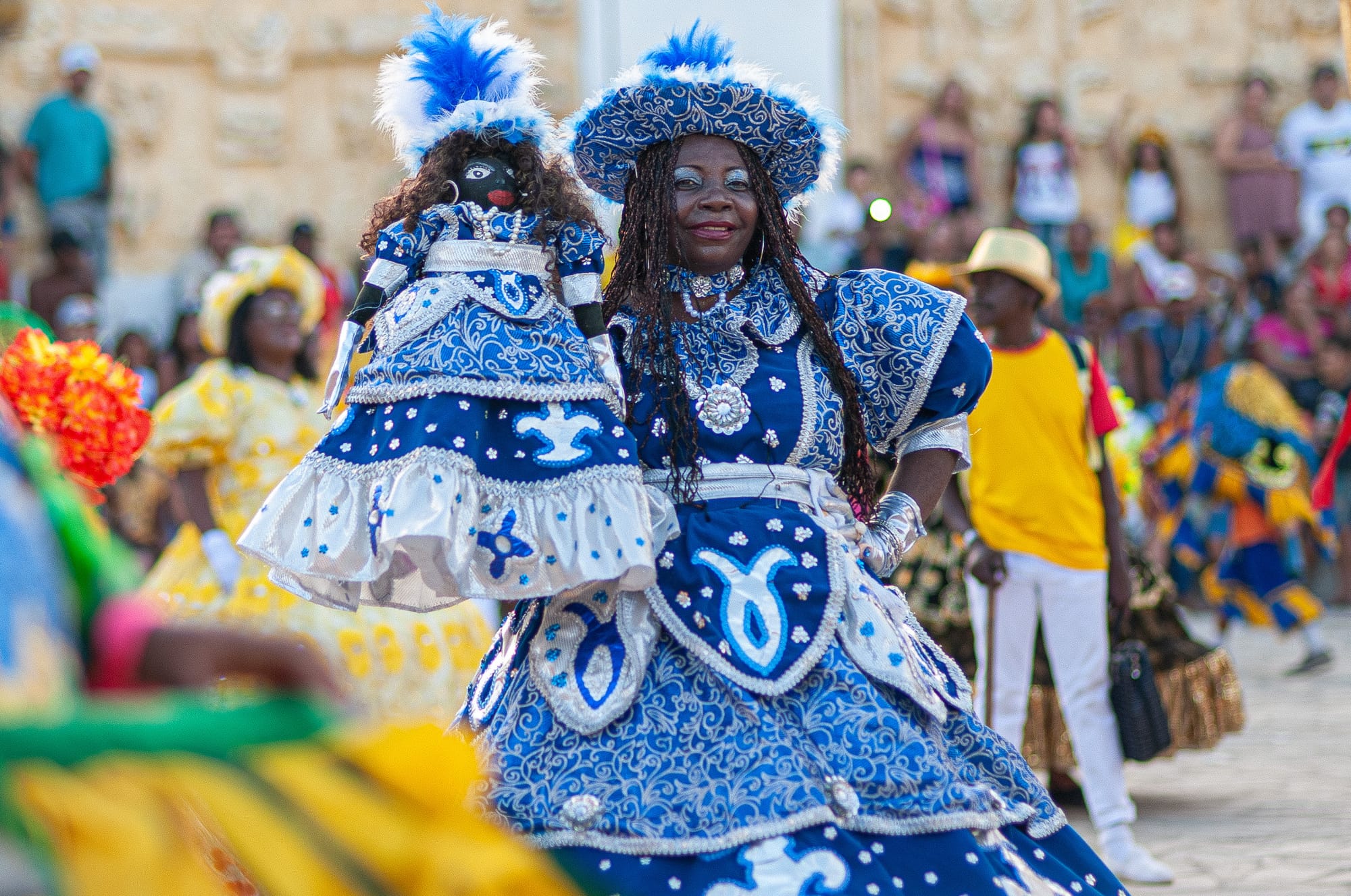
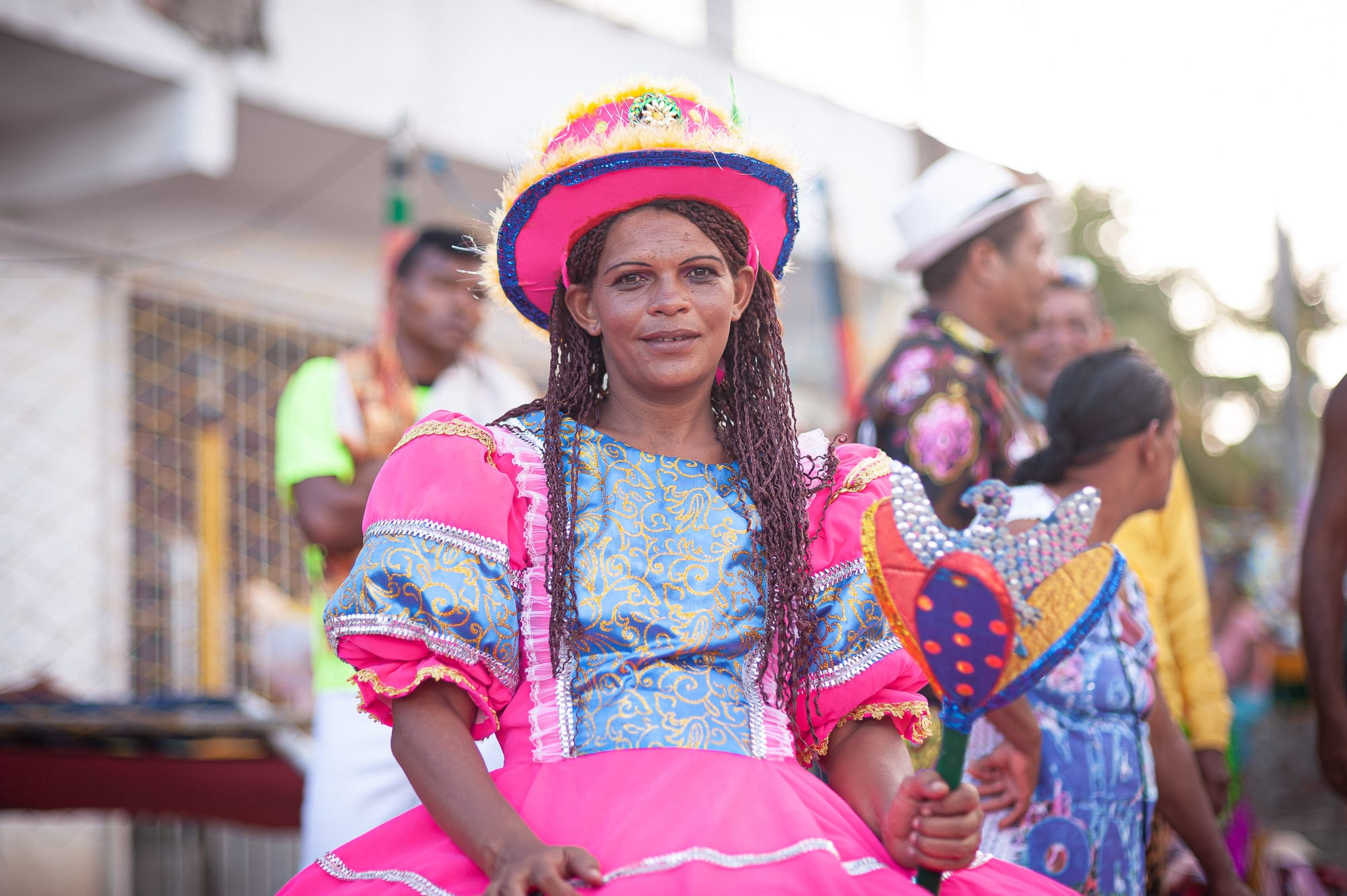
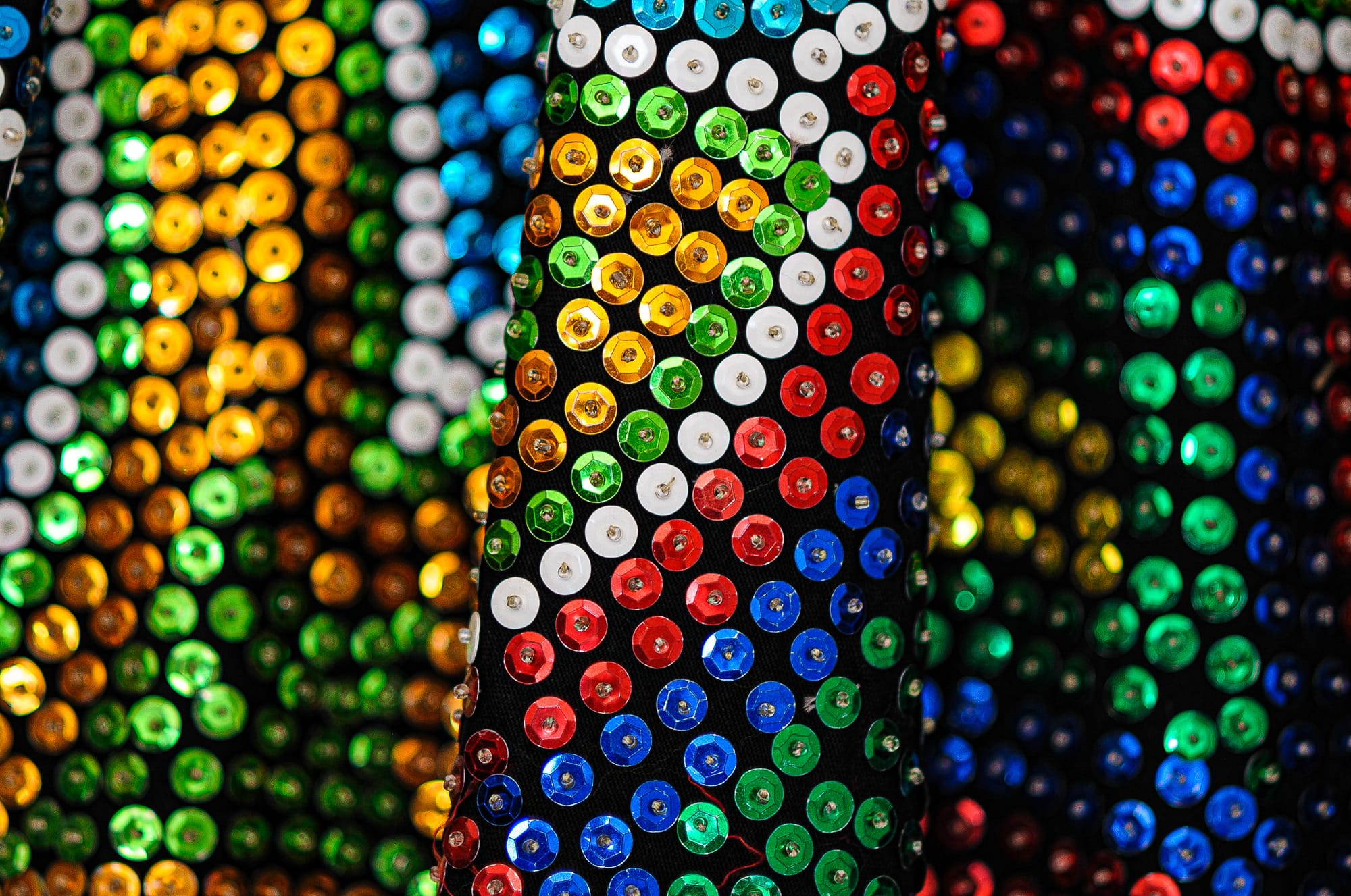
Umas das manifestações culturais mais populares que acontecem no Estado de Pernambuco são os Maracatus, que tem seus primeiros registros desde o século XVIII, e dialogam com as raizes Afroindigenas, presente na herança histórico cultural do lugar; São dois tipos de Maracatus que existem em Pernambuco, os de Baque Solto e os de Baque Virado; Os de Baque Solto, conhecido como Maracatu Rural, é feito geralmente por pessoas da região da Zona da Mata do Estado, como Nazaré da Mata; São pessoas que trabalham pesado com o manejo da cana de açúcar sob o sol quente, e quando chegam em casa, ainda cortam, costuram e bordam com milhares de paetês e miçangas suas próprias roupas, pra brincar Maracatu. Dentro da brincadeira existe uma parte de mistério, os Maracatus tem a forte presença das religiões de matrizes Afroindigenas como a Jurema Sagrada e o Candomblé dentro das suas práticas de proteção para saída do Maracatu. A Jurema Sagrada, uma religiosidade que vem da pajelança e do catimbó, era praticada pelos primeiros habitantes, os povos indigenas, que tem uma relação com o Maracatu de Baque Solto, com seus mestres e mestras, caboclos e encantados; já no Candomblé, religião que vem da junção de diferentes cultos aos orixás pelos povos africanos, dialogam com o maracatu de baque virado que é regido por um ou mais orixás; inclusive sonoramente, os maracatus lembram a musicalidade de seus povos originários. O cortejo do Maracatu rural é realizado com personagens como Reis e Rainhas, Príncipes e Princesas, Valetes e Damas de passo, Arreimá, Mateus e Catirina, Catita, Índias, Yabás, Luminista, Sombrinha, Banderista, Símbolo e Caboclos de lança. Cada um deles tem seu figurino e um papel a desempenhar durante o desfile. Além do Rei e da Rainha, o Caboclo de Lança é uma das principais figuras que compõe o Maracatu de Baque Solto.
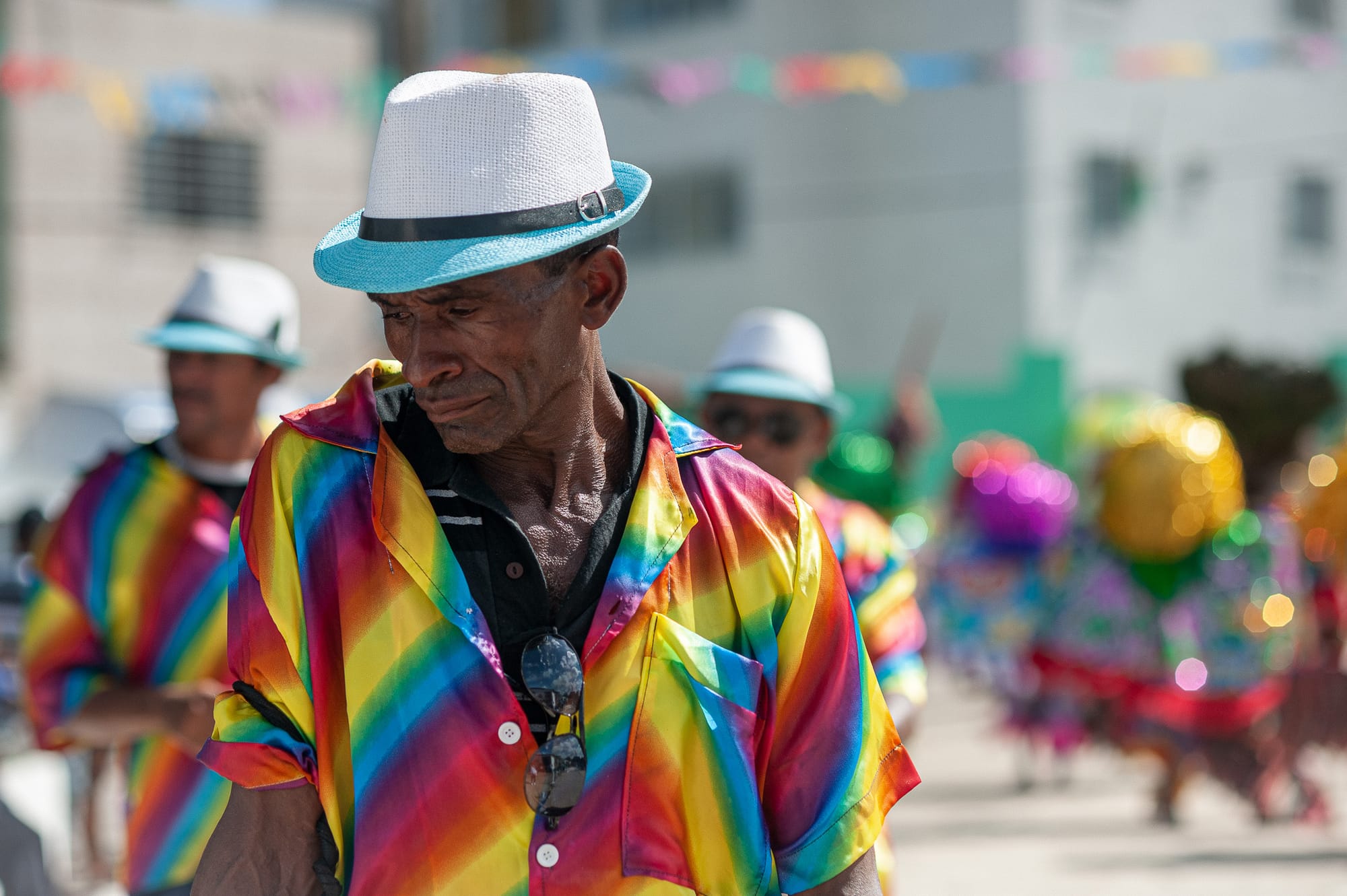
Essa série foi realizada durante o período de carnaval na cidade de Olinda, no Encontro de Maracatus de Baque Solto e Baque Virado que acontece anualmente no bairro de cidade Tabajara em Olinda.
Esse trabalho dialoga com outros dois, o “ALVORADA” e “QUANTAS MÃOS FAZEM UM MARACATU?”, que formam uma tríade sobre o Maracatu. A primeira série é ‘MARACATU’, que traz retratos dos brincantes durante um encontro que acontece anualmente no carnaval de Olinda, um momento onde vemos os personagens num cortejo colorido, cheio de paetês e muito brilho durante a apresentação. A segunda é “Alvorada” que fala sobre uma sambada de maracatu, que foi feita em comemoração à uma recomendação da justiça, deferida a favor dos maracatuzeiros, sobre o toque de recolher que era dado pela polícia por 3 anos, proibindo os brincantes de raiarem o dia, que é uma tradição. E a terceira série é “Quantas mãos fazem um maracatu?” que fala do maracatu no começo, de dar forma, de um pano simples antes de todo o brilho, de fazer a roupa de um dos personagens mais emblemáticos do Maracatu, o Caboclo de Lança.
+
Postagens relacionadas
About the series: On Stage
Blog
Going to a show you enjoy is always about connecting with the singer; it feels like you feel the same emotions as the songwriter. When I'm in front of the stage, it's sometimes as if the scene is happening in slow motion, with its countless colorful lights just for me. Then I immerse myself in the vibe of the musicians, the music,
One of the most popular cultural manifestations that has a place in the State of Pernambuco is the Maracatus, whose first records date back to the 18th century and that dialogue with the Afro-indigenous roots present in the historical-cultural heritage of the place. There are two types of Maracatus in Pernambuco: Baque Solto and Baque Virado.
Los de Baque Solto, known as Maracatu Rural, are generally carried out by people from the Zona da Mata region of the State, such as Nazaré da Mata. They are people who work hard managing the sugar cane under the scorching sun and who, when they get home, still cut, cosine and embroider with thousands of glasses and most of their clothes to enjoy Maracatu. Within the celebration there is a part of mystery: the Maracatus have a strong presence of religions of Afro-indigenous matrices, such as the Sacred Jurema and the Candomblé, in their protection practices for the exit of Maracatu.
La Jurema Sagrada, a religion originating from Chamanismo and Catimbó, was practiced by the first inhabitants, the indigenous villages, and maintains a relationship with the Maracatu de Baque Solto, with its maestros and maestras, caboclos and enchanted ones. In Candomblé, a religion that arises from the union of different cults of the orixás by African villages, there is a dialogue with the Maracatu of Baque Virado, which is governed by one of the most orixás. Even sonically, Maracatus recalls the musicality of its original villages.
The rural Maracatu procession takes place with characters such as Reyes and Reinas, Princes and Princesses, Valets and Damas de Paso, Arreimá, Mateus and Catirina, Catita, Indias, Yabás, Luminista, Sombrilla, Abanderado, Símbolo and Caboclos de lanza. Each one of them has their clothes and a role they play during the parade. Además del Rey y la Reina, the Caboclo de Lance is one of the main figures that make up the Maracatu de Baque Solto.
This series was held during the carnival period in the city of Olinda, at the Encuentro de Maracatus de Baque Solto y Baque Virado that takes place annually in the neighborhood of Cidade Tabajara, in Olinda.
This work dialogues with others, "ALVORADA" and "¿CUÁNTAS MANOS HACEN UN MARACATU?", which form a triad about Maracatu. The first series is 'MARACATU', which presents portraits of the players (participants) during a meeting that takes place every year at the Olinda carnival, a moment where we see the characters in a colorful procession, full of glitter and lots of glitter during the presentation. The second is "Alborada", which talks about a maracatu sambada, performed in celebration of a judicial recommendation favorable to the maracatuzeiros, about the ringing of the fall that was imposed by the police for three years, prohibiting the players from breaking the day (celebrating dawn), which is a tradition. And the third series is "How many hands do a maracatu?"
One of the most popular cultural manifestations in the state of Pernambuco is the Maracatu, whose first records date back to the 18th century and which dialogues with the Afro-Indigenous roots present in the region's historical and cultural heritage. There are two types of Maracatu in Pernambuco: Baque Solto and Baque Virado.
Baque Solto, known as Maracatu Rural, is generally performed by people from the Zona da Mata region of the state, such as Nazaré da Mata. These are people who work hard managing sugar cane under the hot sun, and when they get home, they still cut, sew, and embroider their own clothes with thousands of sequins and beads to play Maracatu. Within the celebration there is an element of mystery: Maracatus have a strong presence of Afro-Indigenous religions such as Jurema Sagrada and Candomblé in their protective practices before the Maracatu procession.
J urema Sagrada, a spirituality that comes from shamanism and catimbó, was practiced by the first inhabitants, the Indigenous peoples, and has a relationship with Baque Solto Maracatu, with its masters and mistresses, caboclos, and enchanted beings. Candomblé, a religion that emerged from the fusion of different orixá cults brought by African peoples, dialogues with Baque Virado Maracatu, which is governed by one or more orixás. Even sonically, the Maracatus recall the musicality of their ancestral peoples.
The Maracatu Rural procession features characters such as Kings and Queens, Princes and Princesses, Valets and Step Ladies, Arreimá, Mateus and Catirina, Catita, Indigenous Women, Yabás, Luminista, Umbrella Bearer, Flag Bearer, Symbol, and Caboclos de Lance (Lance Caboclos). Each has their own costume and role to play during the parade. In addition to the King and Queen, the Caboclo de Spear is one of the main figures that make up the Baque Solto Maracatu.
This series was produced during the carnival season in the city of Olinda, at the Meeting of Baque Solto and Baque Virado Maracatus, which takes place annually in the Cidade Tabajara neighborhood of Olinda.
This work dialogues with two others, "ALVORADA" and "HOW MANY HANDS MAKE A MARACATU?", which forms a trilogy about Maracatu. The first series is 'MARACATU', which brings portraits of the dancers during a meeting that happens every year at the Olinda carnival, a moment when we see the characters in a colorful procession, full of sequins and lots of shine during the performance. The second is "Alvorada" (Dawn), which speaks about a maracatu sambada (gathering), held in celebration of a court ruling in favor of the maracatuzeiros, regarding the curfew imposed by the police for three years, which prohibited the dancers from 'raiarem o dia' (welcoming the dawn) — a tradition. And the third series is "How many hands make a maracatu?" which talks about the maracatu at its beginning, giving it shape, a simple cloth before all the shine, making the costume of one of the most emblematic characters of the Maracatu, the Caboclo de Lance.