HOW MANY HANDS MAKE A MARACATU?
Carol Melo, 2015-2019

Sobre a série:
How many hands make a maracatu?
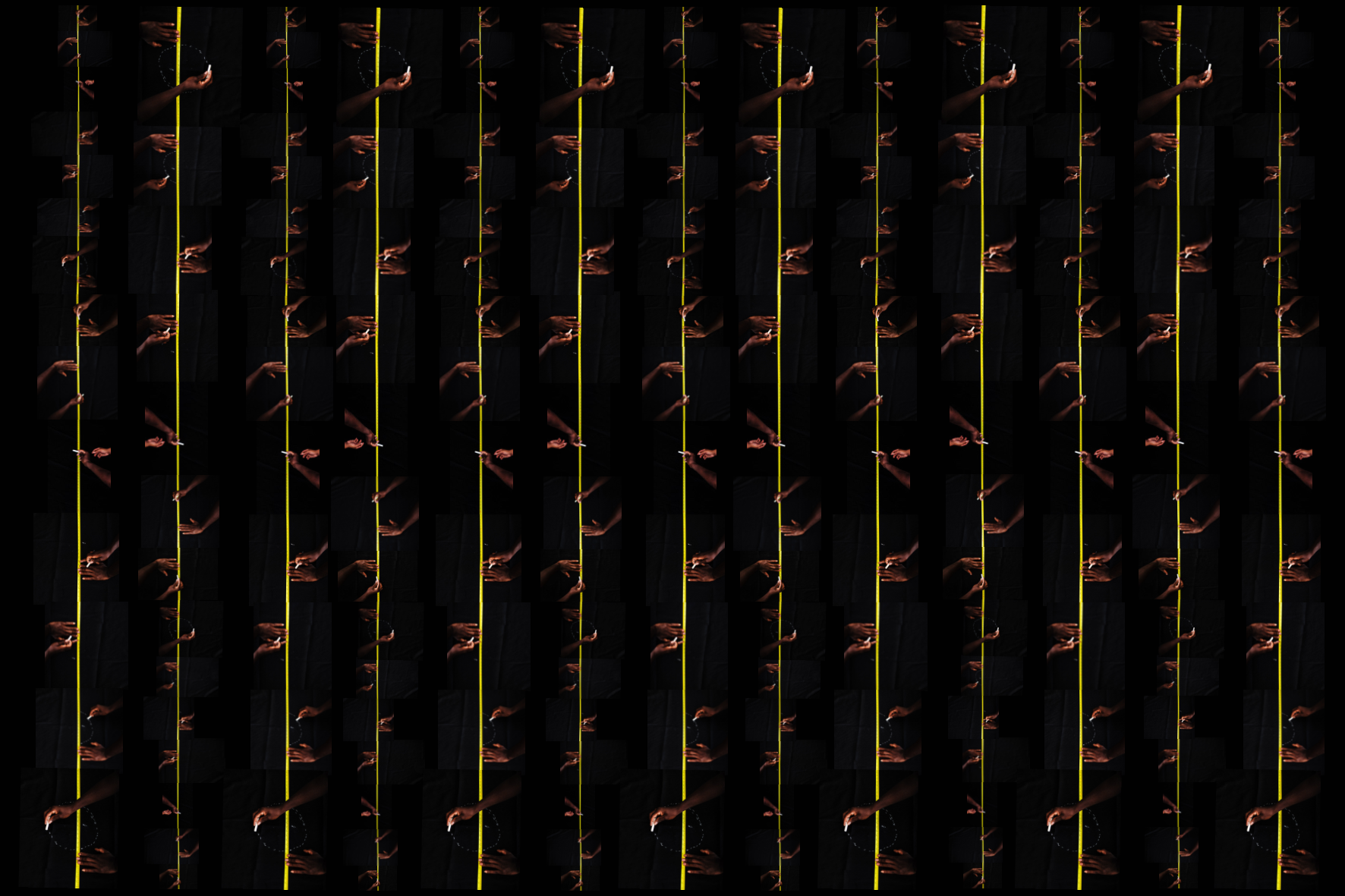
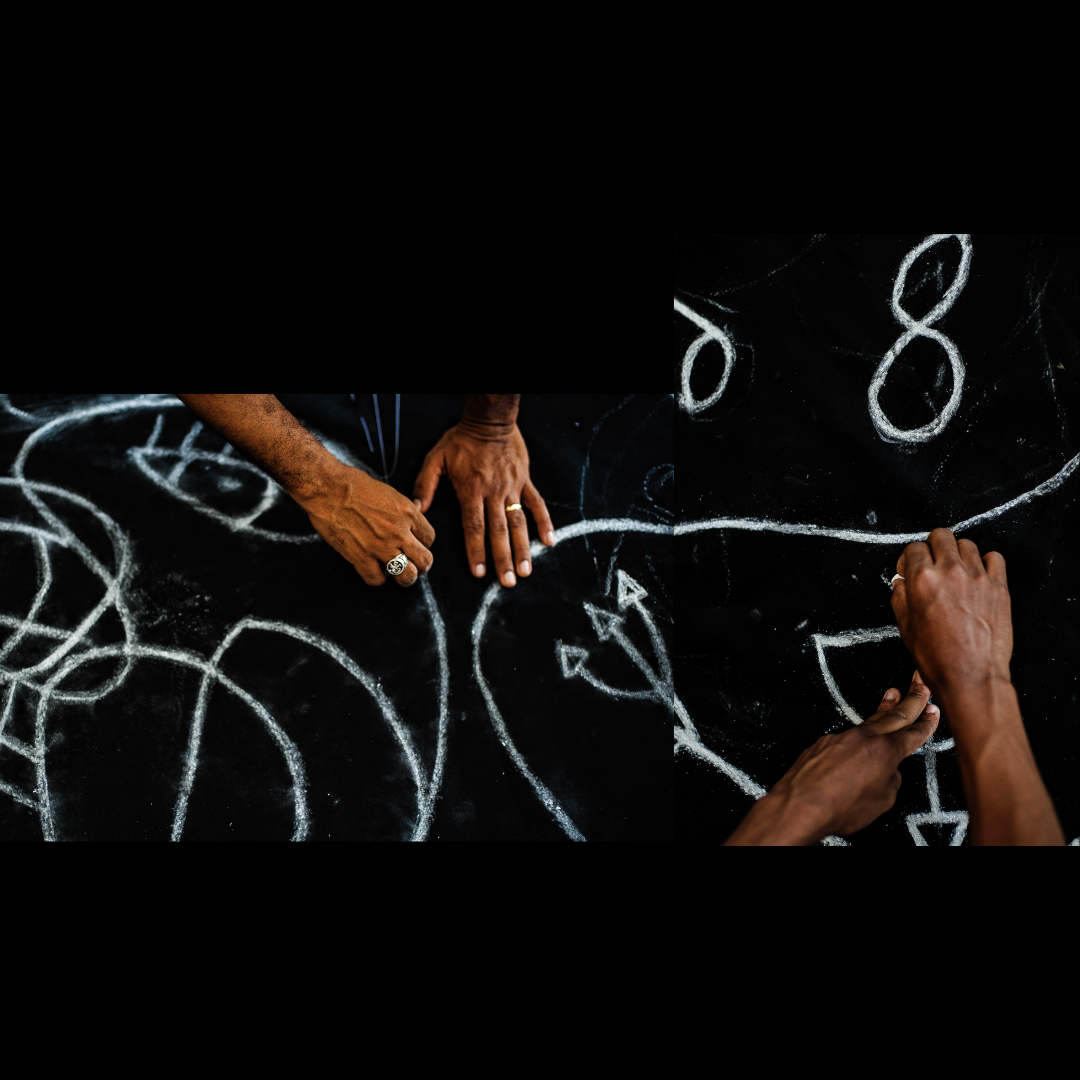
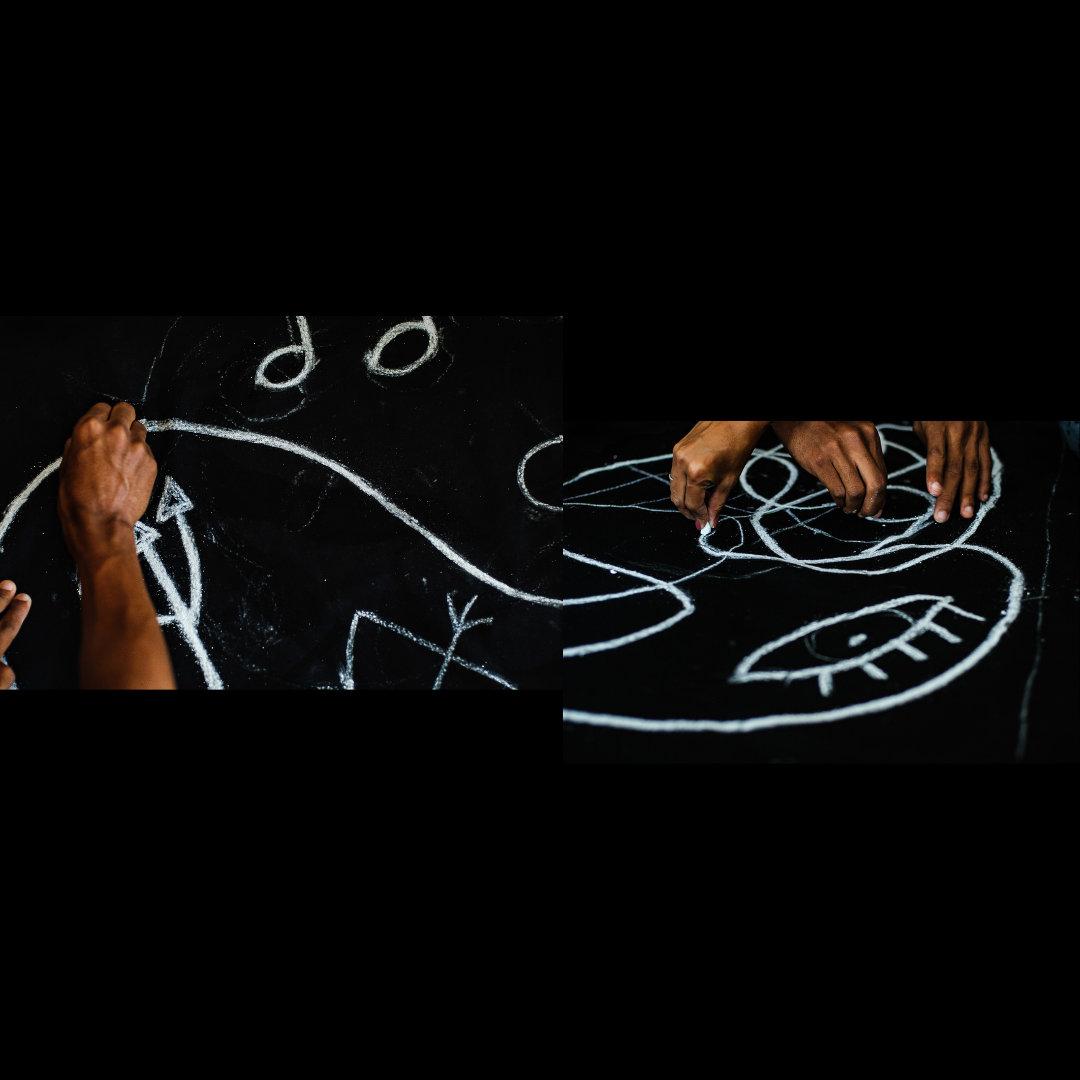
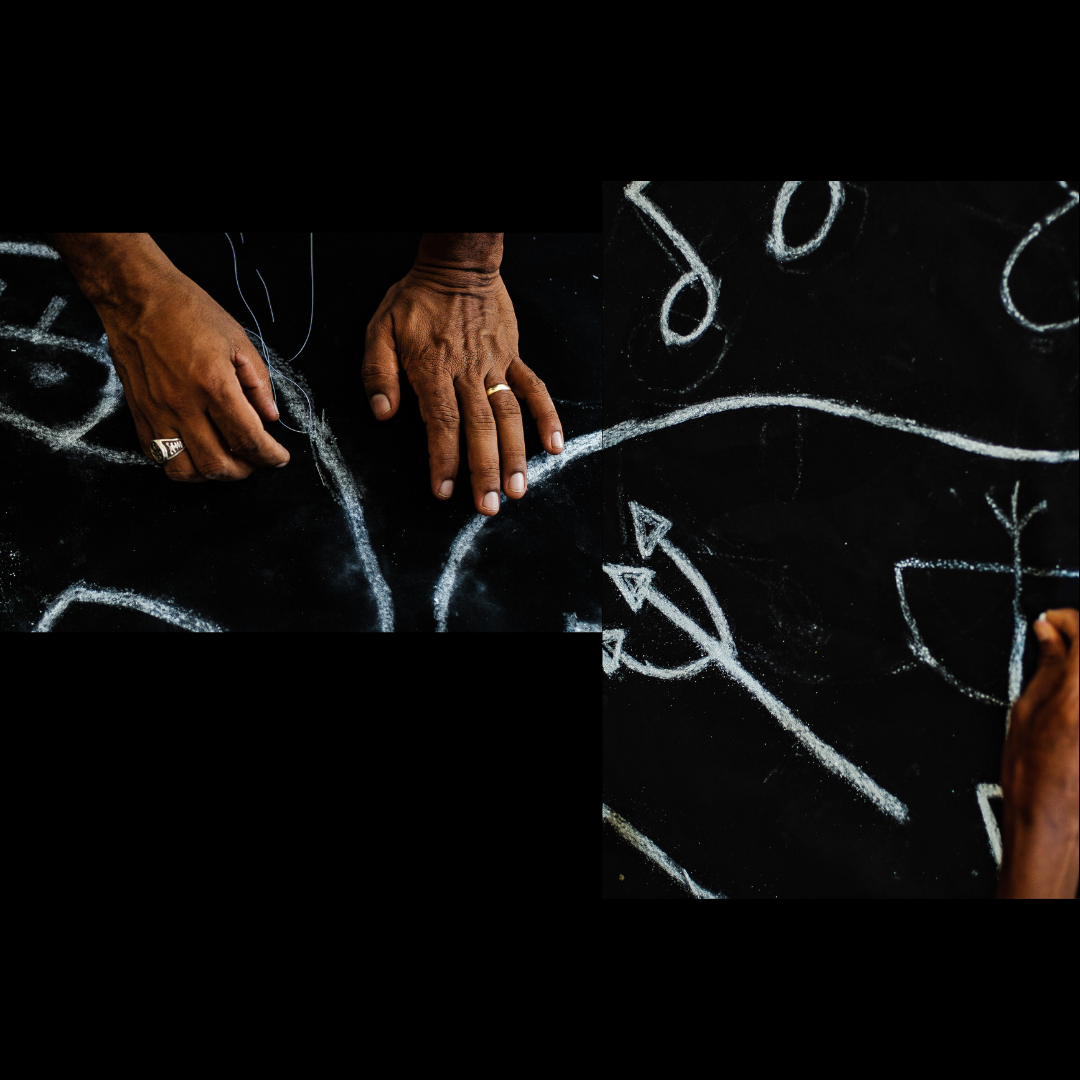
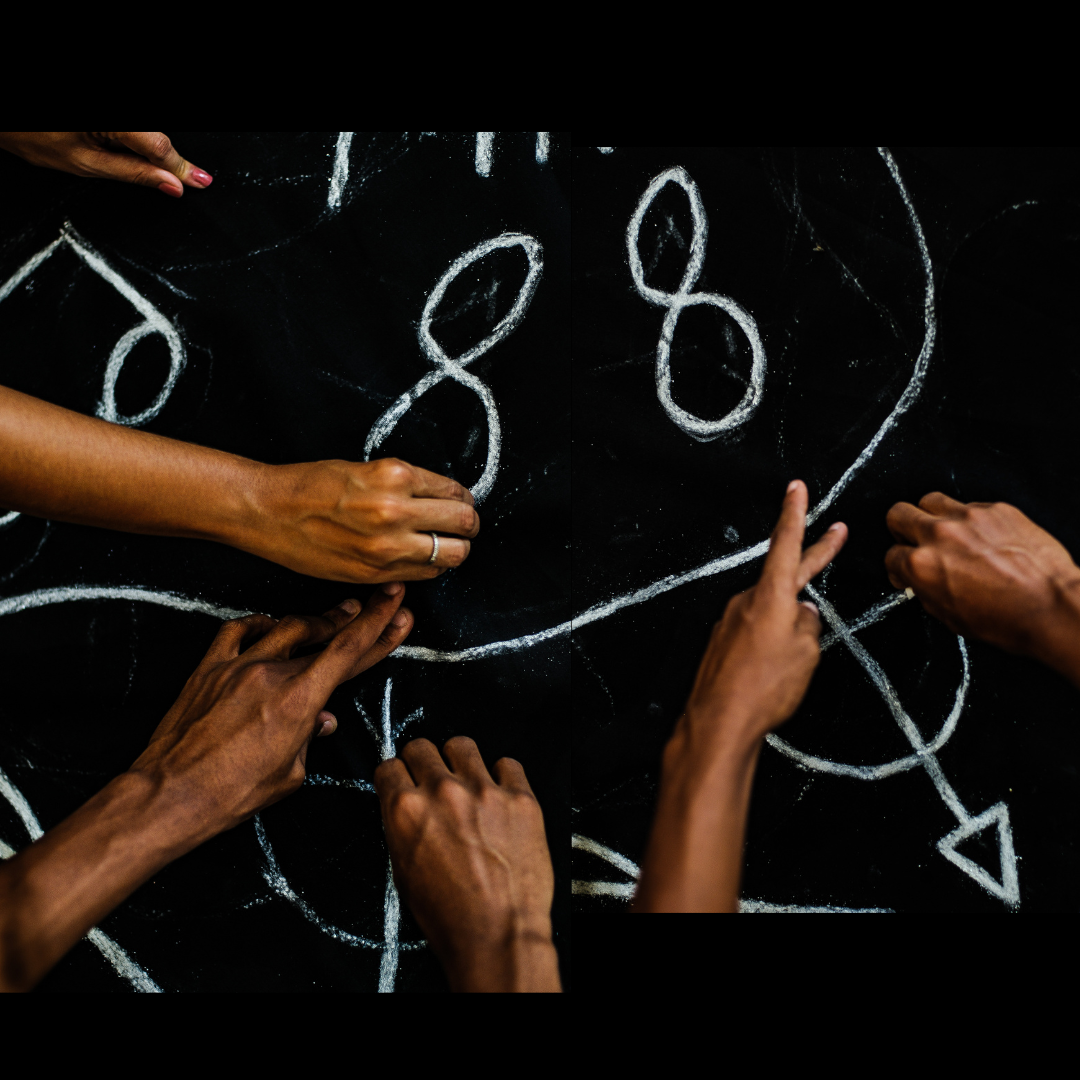
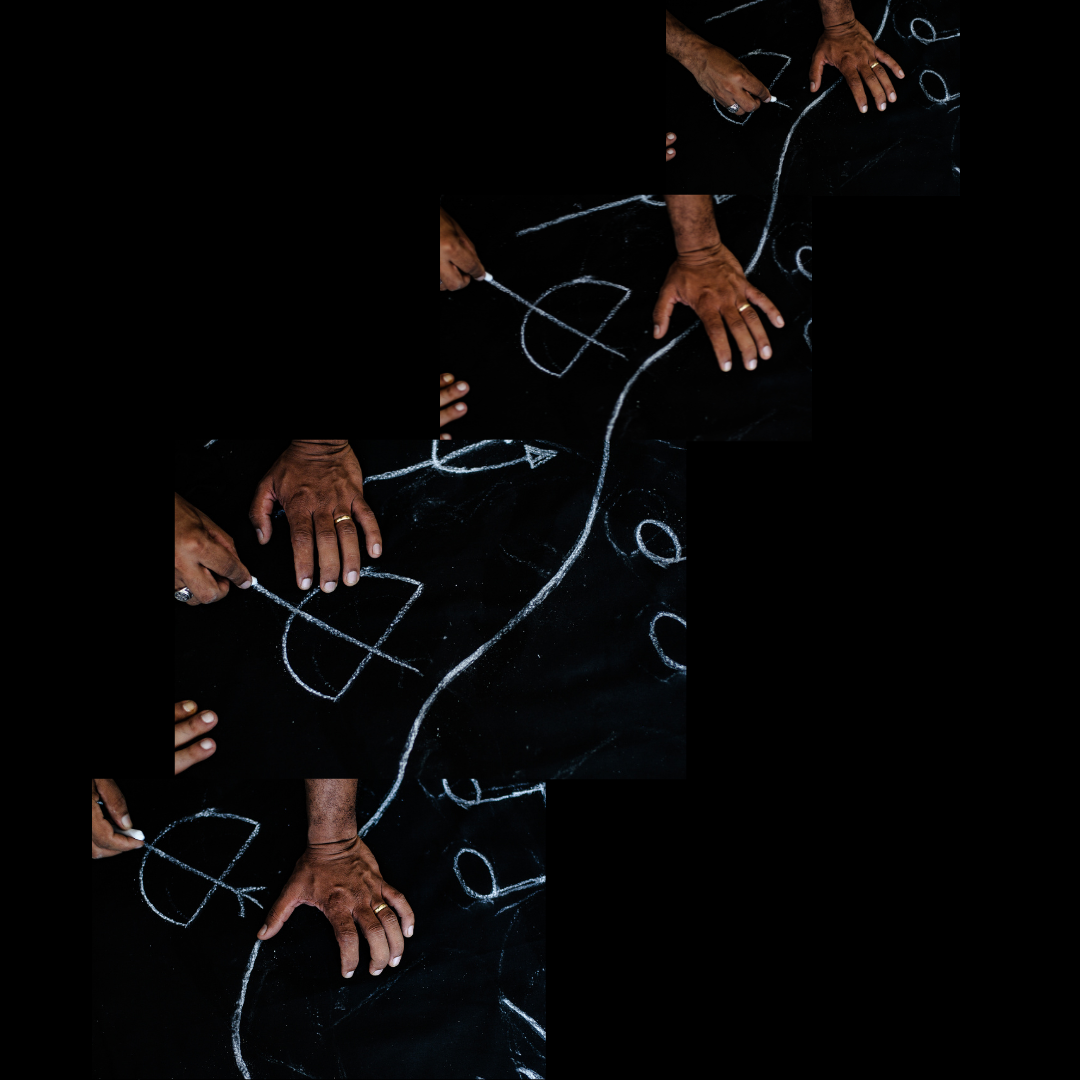
O Maracatu, manifestação cultural do estado de Pernambuco, tem como característica seu colorido, dança e brilho, onde cada metro é uma métrica, cada mão que ajuda, que mede, corta, costura, desenha, borda e dá vida ao Maracatu que se apresenta ao público apoteoticamente no carnaval. Mas durante o ano os Maracatus desaparecem dos grandes holofotes e dos olhos de muitas pessoas que só vêem essas apresentações, e não tem ideia de como começa, nem de quantas mãos fazem um Maracatu. Composto com mais de 40 pessoas, entre todos os personagens, os caboclos de lança são senão os mais importantes, os mais conhecidos popularmente no Maracatu. Eles usam um chapéu grande com fitas coloridas imitando um cabelo comprido com franja, lenço no pescoço, rosto pintado de urucum (vermelho), um cravo na boca, uma gola toda bordada com desenhos coloridos, cheios de paetês, miçangas e franjas nas bordas, um surrão (chocalhos que geralmente pesa 10kg) nas costas, uma calça com franjas, meião, tênis e uma lança de madeira de 2 metros chamada de guiada, cheia de fitas coloridas em retalhos. Esses caboclos de lança, guerreiros, são protetores do cortejo e uma figura bem popular na cultura do estado, que se tornou símbolo do carnaval e cada parte de sua roupa e cores tem uma relação espiritual. Entre todas essas peças, a gola do caboclo de lança, chama atenção com desenhos bordados com paetês e miçangas multicoloridos, que brilham de forma reluzente quando se apresentam. A gola é feita e bordada à mão por pessoas que muitas vezes trabalham no manejo pesado da cana, que vão da força à delicadeza em horas. Entre todas essas peças, a gola do caboclo de lança, chama atenção com desenhos bordados com paetês e miçangas multicoloridos, que brilham de forma reluzente quando se apresentam. O pano preto, a marcação e o corte, antes de todo o brilho e requinte que uma gola apresenta, o molde antes de ganhar corpo, o desenho que é vivo no imaginário de quem o faz, a dança feita com o giz sob o pano preto numa possível coreografia feita pelos passos dos caboclos com suas guiadas durante sua apresentação.
A série “Quantas mãos fazem um Maracatu?” foi realizada em 2015 na cidade de Tracunhaém, interior de Pernambuco, durante a oficina de fazer uma gola de caboclo de lança, do corte ao bordado, com a ajuda dos mestres do Maracatu Águia Formosa da cidade.
Esse trabalho dialoga com outros dois, “Alvorada” e “Maracatu”, que formam uma tríade sobre o Maracatu. A primeira série é ‘Maracatu’, que traz retratos dos brincantes durante um encontro que acontece todo ano no carnaval de Olinda, é um momento onde vemos os personagens num cortejo colorido, cheio de paetês e muito brilho durante a apresentação. A segunda é “Alvorada” que fala sobre uma sambada de maracatu, que foi feita em comemoração à uma liminar da justiça, deferida a favor dos maracatuzeiros, sobre o toque de recolher que era dado pela polícia por 3 anos, proibindo os brincantes de raiarem o dia, uma tradição na cidade de Nazaré da Mata, berço do maracatu rural. E a terceira série é “Quantas mãos fazem um maracatu?” que fala do maracatu no começo, de dar forma, de um pano simples antes de todo o brilho, de fazer a roupa de um dos personagens mais emblemáticos do maracatu, o caboclo de lança.
+
Postagens relacionadas
About the series: On Stage
Blog
Going to a show you enjoy is always about connecting with the singer; it feels like you feel the same emotions as the songwriter. When I'm in front of the stage, it's sometimes as if the scene is happening in slow motion, with its countless colorful lights just for me. Then I immerse myself in the vibe of the musicians, the music,
El Maracatu, cultural manifestation of the state of Pernambuco, has as a characteristic its color, dance and brilliance, where each meter is a metric, each hand that helps, that measures, cuts, sews, draws, edges and of the life of Maracatu that presents itself to the pueblo apotheosically during the carnival. But during the year the Maracatus disappeared from the great reflectors and from the gaze of many people who only saw these presentations, and they had no idea how to start, nor how many hands made a Maracatu. I am composed of more than 40 people, among all the characters, the spearheads, the most important, the most popularly known in Maracatu. They wear a large sombrero with colored straps that imitate long hair with flecks, a pañuelo on the back of the head, a face painted with achiote (red), a clavo in the mouth, a collar all embroidered with colored embroidery, woollens, mustacillas and flecos at the edges, a surrão (sonajas that generally weigh 10 kg) on it back, a pantaloon with fleeces, high heels, sneakers and a 2-meter wooden spear with a guided belt, full of colored straps along the sides. These lance caboclos, warriors, are protectors of the procession and a very popular figure in the culture of the state, who has become a symbol of carnival and every part of their clothing and colors has a spiritual relationship. Among all these things, the woolen caboclo collar calls for attention with embroidered drawings with multicolored lenses and mostacillas, which shine in a resplendent way when they are presented. The collar is hecho and embroidered by hand by people who often work in the heavy handling of the cane, who go from strength to delicacy in a matter of hours. The black cloth, the marked and the cut, before all the brilliance and refinement that presents a collar, the mold before charging the body, the drawing that is alive in the imagination of those who created it, the dance hecha with the touch on the black cloth in a possible choreography performed by the steps of the caboclos with their guidance during their presentation.
The series "How many hands make a Maracatu?" It was carried out in 2015 in the city of Tracunhaém, in the interior of Pernambuco, during the workshop of making a wool caboclo collar, from cutting to embroidery, with the help of the maestros of Maracatu Águia Formosa from the city.
This work dialogues with others, "Alvorada" and "Maracatu", which form a triad about Maracatu. The first series is 'Maracatu', which presents portraits of participants during a meeting that takes place every year during the Olinda carnival; It's a moment where we see the characters in a colorful procession, full of glitter and lots of shine during the presentation. The second is "Alvorada", which talks about a maracatu samba, performed in commemoration of a precautionary measure of justice, granted in favor of the maracatuzeiros, about the ringing of the fall that was imposed by the police for 3 years, prohibiting the jokers from going out on the day, a tradition in the city of Nazaré da Mata, cuna of rural maracatu. And the third series is "How many hands do a maracatu?"
Maracatu, a cultural manifestation from the state of Pernambuco, is characterized by its color, dance, and shine, where every meter is a metric, every hand that helps, that measures, cuts, sews, draws, embroiders, and brings to life the Maracatu that presents itself to the public apotheotically during carnival. But throughout the year, the Maracatus disappear from the big spotlight and from the eyes of many people who only see these performances, and have no idea how it begins, nor how many hands make a Maracatu. Composed of more than 40 people, among all the characters, the caboclos de lance (lance caboclos) are, if not the most important, the most popularly known in Maracatu. They wear a large hat with colorful ribbons imitating long hair with bangs, a neckerchief, their faces painted with annatto (red), a clove in their mouths, a collar fully embroidered with colorful designs, full of sequins, beads, and fringes on the edges, a surrão (rattles that usually weigh 10 kg) on their backs, fringed pants, long socks, sneakers, and a 2-meter wooden spear called a guide, covered with colorful fabric scraps. These caboclos de lance, warriors, are protectors of the procession and a very popular figure in the state's culture, having become a symbol of carnival, and each part of their custom and colors has a spiritual connection. Among all these pieces, the caboclo de lance's collar draws attention with designs embroidered with multicolored sequins and beads, which shine brilliantly when they perform. The collar is made and hand-embroidered by people who often work in the heavy labor of sugarcane, shifting from strength to delicacy in a matter of hours. The black fabric, the marking and cutting, before all the shine and refinement that a collar presents, the pattern before it takes shape, the design that is alive in the imagination of the maker, the dance made with chalk on black fabric in a possible choreography created by the steps of the caboclos with their guides during their performance.
The series "How many hands make a Maracatu?" was produced in 2015 in the city of Tracunhaém, in the interior of Pernambuco, during a workshop on making a caboclo de lance collar, from cutting to embroidery, with the help of the masters of the Maracatu Águia Formosa from that city.
This work dialogues with two others, "Alvorada" and "Maracatu", which forms a trilogy about Maracatu. The first series is 'Maracatu', which brings portraits of the dancers during an encounter that takes place every year at the Olinda carnival; it is a moment when we see the characters in a colorful procession, full of sequins and lots of shine during the performance. The second is "Alvorada" (Dawn), which speaks about a maracatu sambada held in celebration of a court injunction granted in favor of the maracatuzeiros, regarding the curfew imposed by the police for 3 years, which prohibited the dancers from welcoming the dawn — a tradition in the city of Nazaré da Mata, birthplace of rural maracatu. And the third series is "How many hands make a maracatu?", which talks about the maracatu at its beginning, giving it shape, a simple cloth before all the shine, making the costume of one of the most emblematic characters of the maracatu, the caboclo de lance.